HEALTH AND FITNESS
I can help you figure out how fit you are right now and give you a personalised plan. These exercises can help you build endurance, resilience, and strength, giving you power from the first step to the last.
Our body is the best companion we have on the long walk.
FITNESS LEVEL
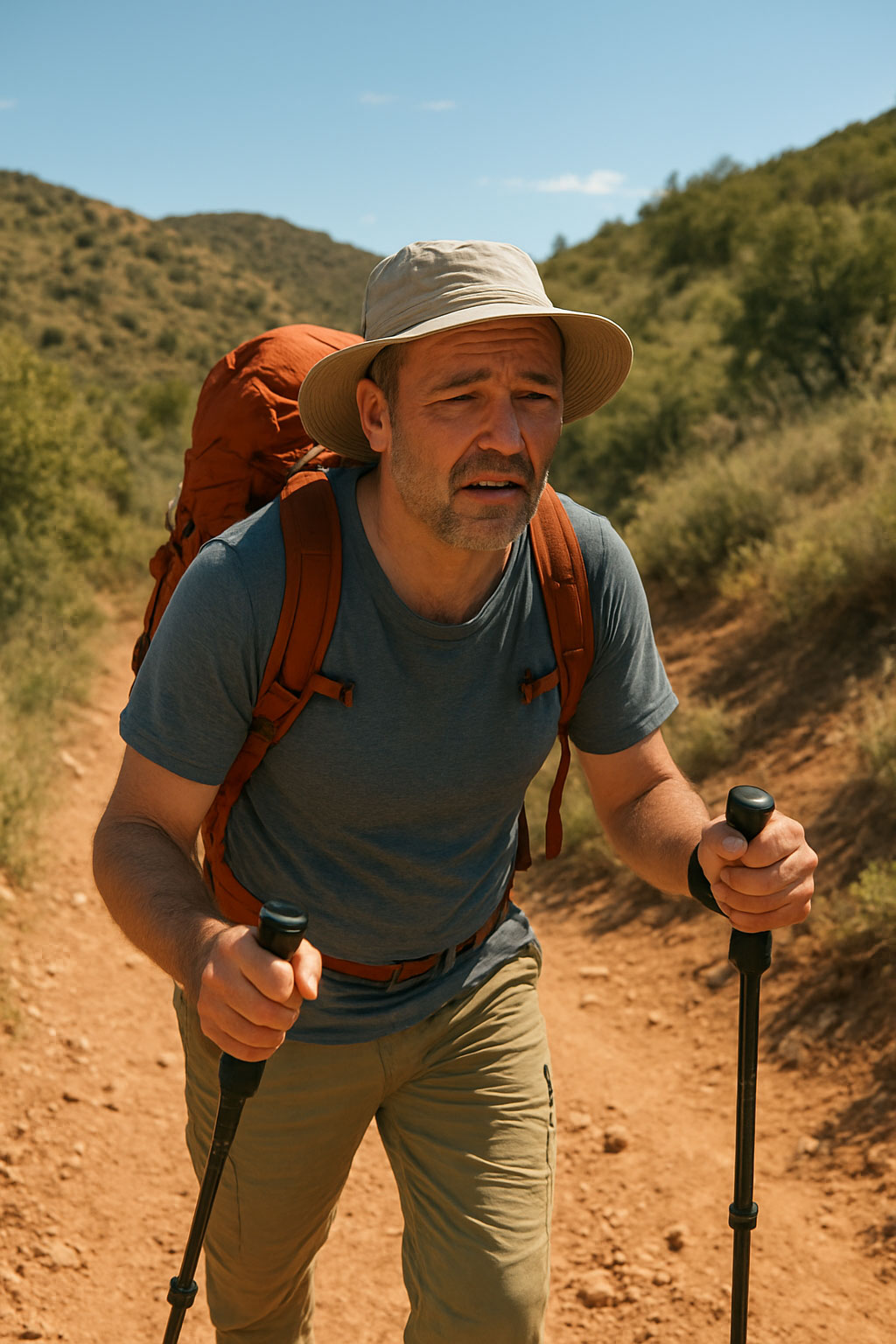
One of the most common things people who want to walk the Camino worry about is whether they are “fit enough”. You don’t have to be an athlete to walk any of the Camino routes. Every year, thousands of people of all ages, body types, and fitness levels walk these old paths and do well. Even people with physical disabilities participate in the Camino.
You should pay attention to what your body is telling you. Most of the injuries and health problems that happen on the Camino are not caused by extreme conditions. Instead, they happen when people ignore small pains, push themselves too hard too soon, or don’t follow a few simple rules.
Walking is the best way to get ready to walk. Start with short distances and work your way up to longer ones and more often. Instead of long walks every now and then, try to take short walks several times a week. As your confidence grows, try walking on different kinds of ground, like hills or stairs, and do it for several days in a row. This helps your body get used to doing the same thing every day, which is the hardest part of the Camino.
Your body needs time to get used to carrying weight. Start with a light backpack and add weight slowly until it feels like what you’ll be carrying on the Camino. Pay attention to how well your rucksack fits and that the weight is distributed on your hips instead of your shoulders. Once you’re on the trail, this will keep your back, shoulders, and knees safe.
There is no reward for walking quickly on the Camino. Training at a pace that feels good and lets you talk will help you build the stamina you need for long days. Instead of speed, pay attention to your breathing and posture. You don’t need to go to the gym to get stronger, but working on your legs and glutes for walking uphill and downhill, your core muscles for stability and balance, and your ankles and calves for uneven terrain is enough.
HEALTH PROBLEMS ON THE CAMINO
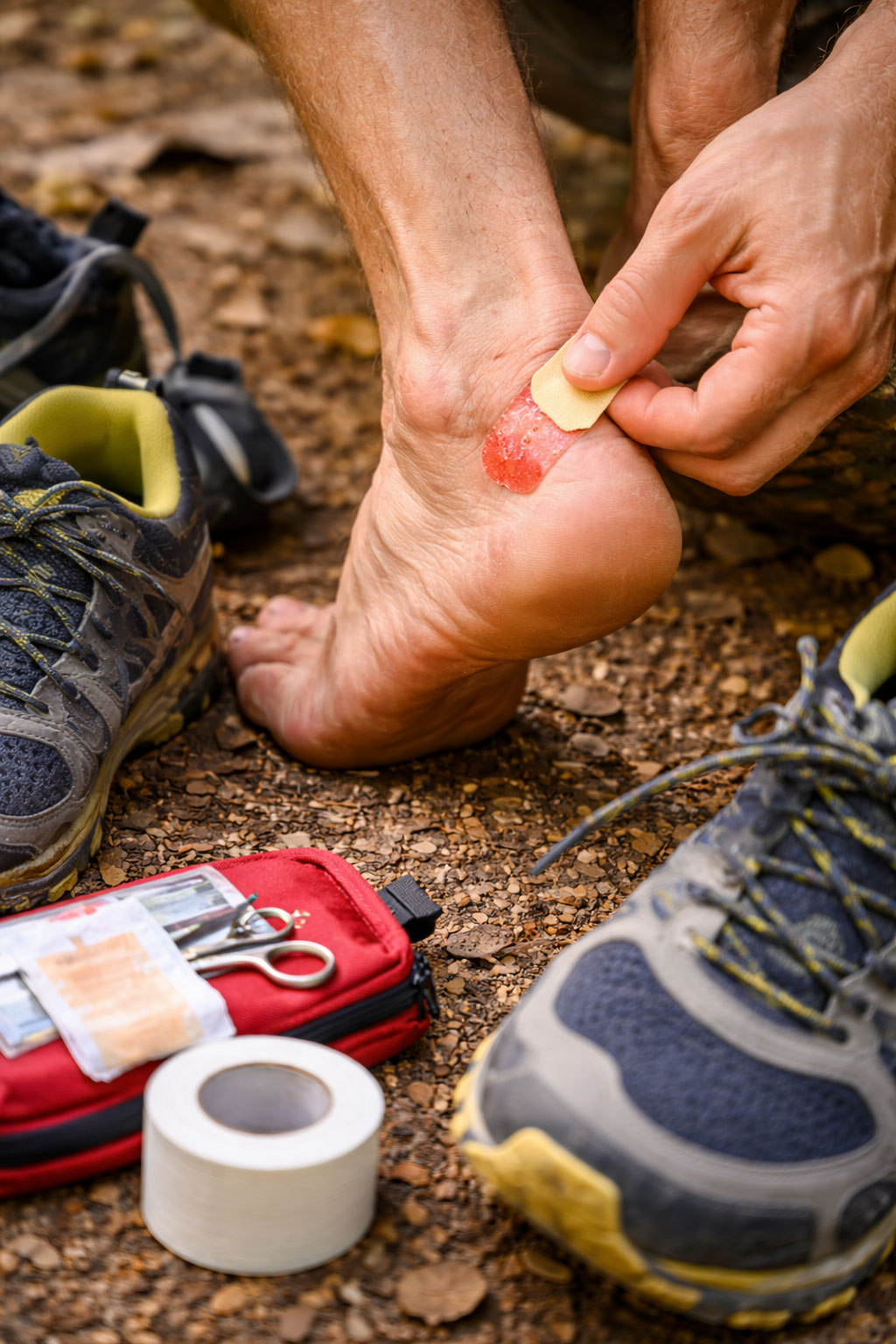
People on the Camino complain about blisters the most. They usually show up when shoes don’t fit well, feet are always wet, or pressure points are ignored. Use well-tested shoes and good hiking socks, and change your socks during the day. If you feel rubbing or hot spots, stop right away. Don’t walk through the pain; treat blisters right away. Having clean, dry feet at the end of the day makes a big difference.
It’s normal for your knees, ankles, hips, and calves to hurt and be tight in the first few days, especially if you start too fast or carry too much weight. Start slowly, walk shorter distances at first, stretch every day, and use walking poles to make it easier on your body. Rest is not a sign of weakness; it is a sign of wisdom.
Doing the same thing over and over again every day can hurt your tendons, especially around your hips, knees, and Achilles. Wear confortable shoes, walk correctly, stretch often, and take a day off every now and then. If you notice swelling, stop right away. Continuing through sharp pain often means taking longer breaks later.
Dehydration is a big risk, especially in the summer. Headaches, dizziness, tiredness, or nausea are all signs that something is wrong. Drink water every day, not just when you’re thirsty. Wear a hat, sunscreen, and lighter clothes to keep the sun off of you. Take breaks in the shade and don’t rush during the hottest parts of the day.
The Camino teaches you to be patient, especially with your body. Paying attention, slowing down when needed, and caring for yourself are not just health strategies; they are part of the Camino experience itself. Your body becomes an ally instead of an enemy when you walk with awareness.
If you have any questions regarding health issues on the Camino or would like to receive a personalised fitness plan to prepare, don’t hesitate to contact me.