
CAMINO IN DIFFERENT SEASONS
The Camino is open all year round, and each season has its own special beauty. In the spring, the path comes to life with new flowers and a sense of renewal. In the summer, the days are long and sunny. In the autumn, the trail is covered in golden leaves. In the winter, only the brave can walk the trail in solitude.
All you have to do is take the first step.
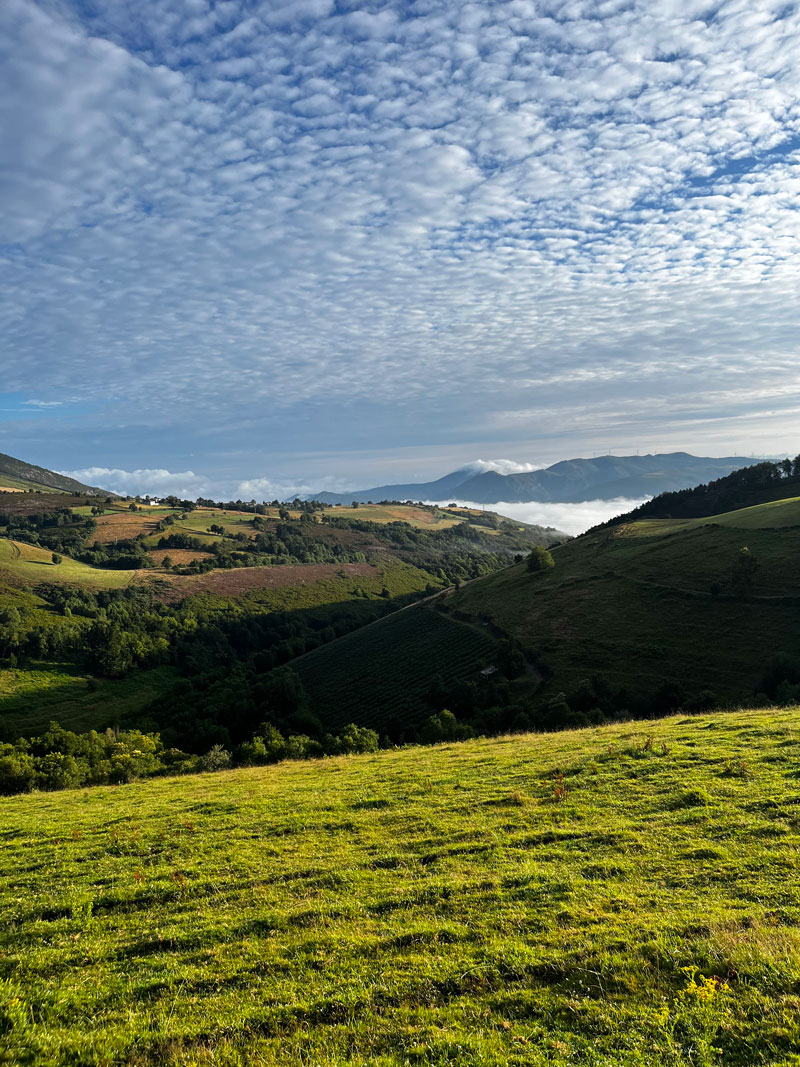
SUMMER CAMINO
From June to September, summer on the Camino means long days of sunshine, lots of pilgrims, and all services are available on all routes. But the experience can be completely unique depending on the route you take, since the weather in Spain and Portugal changes from relatively cool coastal areas to dry plains and mountains.
In the northern parts of Spain, like the famous Camino Francés, Primitivo, and Norte, the weather is usually warm and enjoyable in the summer, with temperatures between 20 and 30°C (68 and 86°F). It can be cool in the mornings and evenings, especially at higher altitudes on the Meseta or in Galicia, where many routes end. The weather there is still unpredictable, with rain or fog being common in the summer.
During the summer, many people choose to take the coastal routes because they are a refreshing break from the heat of the inland areas. The temperature along these routes is between 18 and 28°C (64 and 82°F). The Atlantic affects the weather, making these routes cooler, wetter, and often windy, especially in the mornings. There will be some fog or light rain, but there will also be beautiful sunny days with great views of the sea.
On the other hand, the inland routes go through dry, sunny areas like Andalusia and Extremadura, where summer temperatures can be very high and even dangerous. I strongly suggest staying away from the Via de la Plata from May to September, when daytime temperatures can reach 35-40°C (95-104°F). Most days are clear and hot, with little shade and a very dry climate. Long stretches may not have easy access to water and shelter.
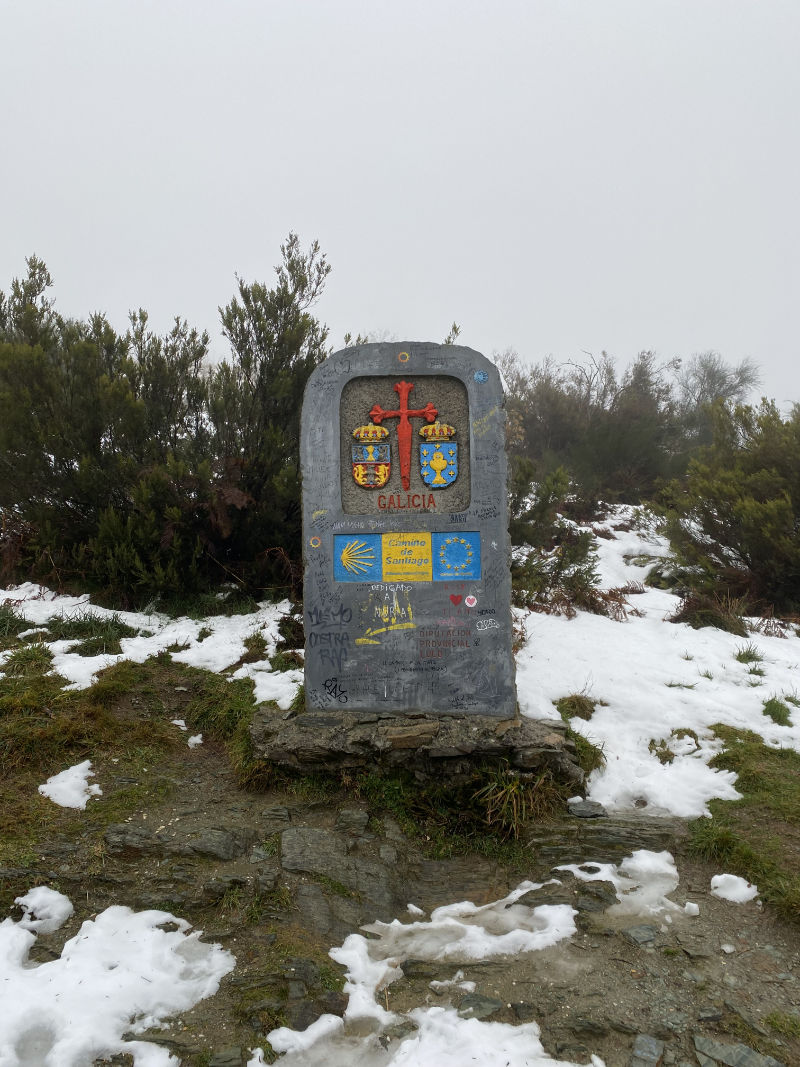
WINTER CAMINO
Winter on the Camino (December to March) is an entirely unique experience. The trails are quiet, the air is fresh, and you feel very peaceful. This time of year encourages pilgrims to take their time, look within, and accept the journey with strength and awareness. Depending on the route and height, daytime temperatures in coastal and lowland areas usually stay between 5°C and 15°C (41°F and 59°F). In the mountains and inland plains, though, they can drop below freezing.
Some parts of the route can be closed for the winter, for example, the section between Saint-Jean-Pied-de-Port and Roncesvalles.
It rains a lot in the winter, and it can be cool and foggy. Snow is also common, especially in northern Spain and Galicia. There are about 9 to 10 hours of daylight during the shorter days. The sun rises around 8:30 and sets at 14:00, so you need to plan your walks carefully. When it’s cold, rainy, or snowy, you need the right gear: waterproof clothes, waterproof boots, warm layers, and stronger backpacks. During the off-season, albergues, cafés, and places to stay may close or have shorter hours. This situation makes it very important to plan more ahead and book your accommodation in advance.
Why would I suggest also winter trips on the Camino? The route is much less crowded, which makes it easier to connect with nature and yourself without the summer crowds. Many towns and villages move at a slower pace, which makes it easier to get to know the culture and have real conversations with locals. Misty mornings, frosted landscapes, and clear skies make for a beautiful and peaceful setting for thinking. The pilgrimage aims to foster reflection and personal growth in this calmer environment.
If you know when you want to walk the Camino,
I can help you explore which route and length would be ideal for you.