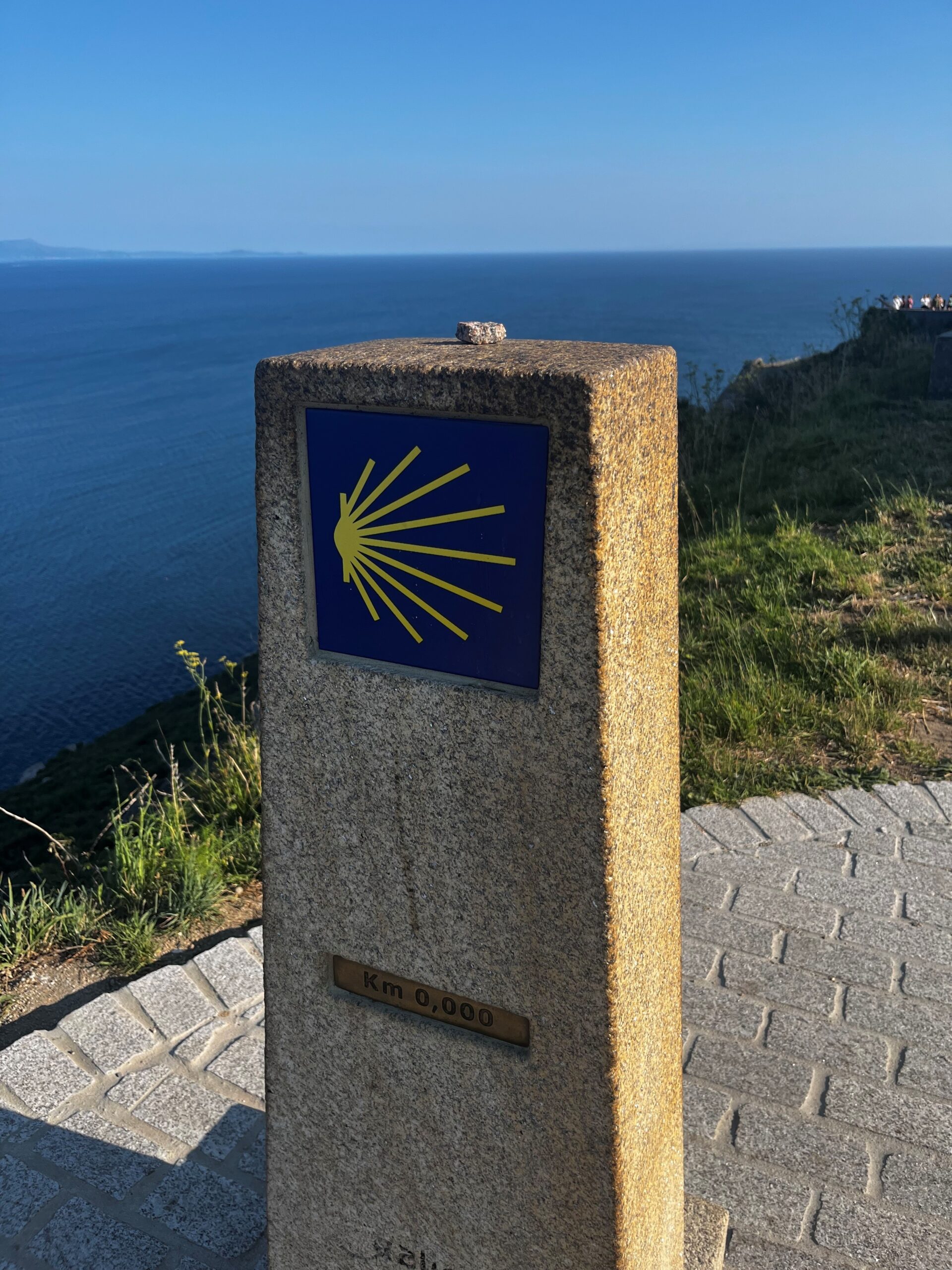
Although the Camino ends in Santiago de Compostela, many pilgrims continue their pilgrimage to Fisterra, which was known as the edge of the world in the past.
More precisely, the westernmost point of the continental mainland of Europe is Cabo da Roca, located on the Atlantic coast of Portugal, near Lisbon. However, historically, the town of Fisterra and the nearby Cape Finisterre were long considered the end of the world by the Romans. The name “Finisterre” originates from the Latin “Finis Terrae”, meaning “end of the land”. It is quite symbolic – one might even say mythological – to journey all the way to the edge of the world to leave something behind.
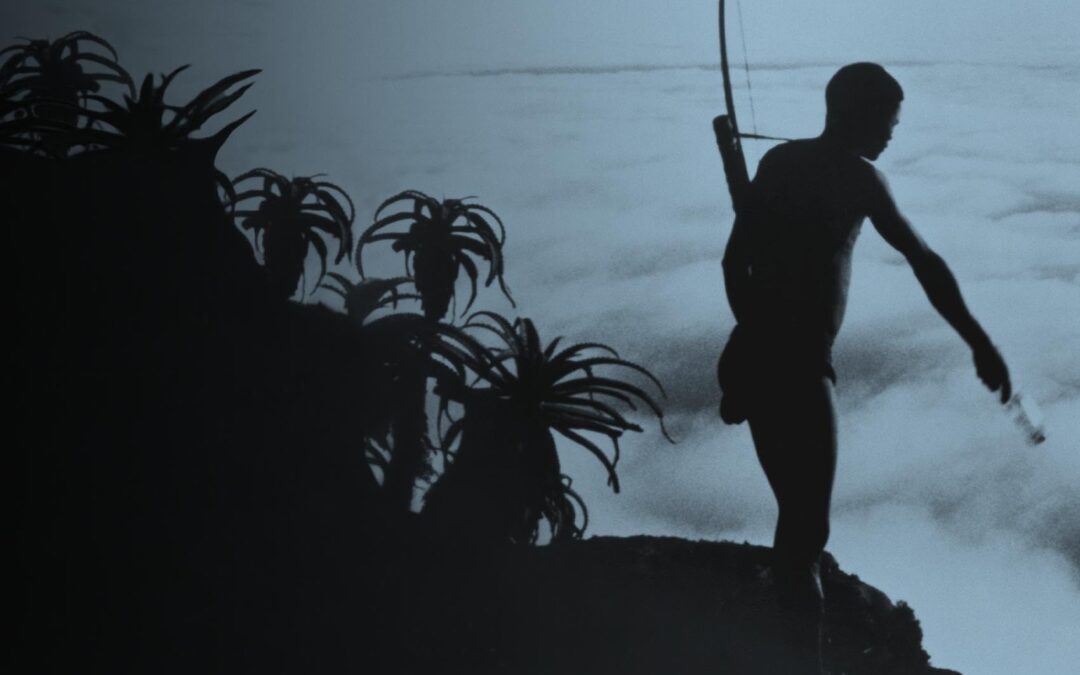
You might have seen the film The Gods Must Be Crazy, released in South Africa in 1980. Xi and his tribe live contentedly in the Kalahari Desert, far removed from industrial civilisation. One day, a glass Coca-Cola bottle, discarded from an airplane by a pilot, lands on the soft ground unbroken. Xi’s people assume the bottle is a gift from the gods, alongside plants and animals, and they find numerous new uses for it, such as curing animal hides, carrying water, grinding roots, rolling dough, playing music, and tracing decorative circular shapes. However, only one glass bottle exists, and the tribe members frequently demand its use, leading to conflict in their once-peaceful community. Possession and envy were unknown to them, yet now they are confronted with new emotions, such as anger, impatience, discontent, and suffering.
Xi attempts to cast the “evil thing” back into the sky, but it ultimately falls back to the ground. After he buries it, a hyena unearths the bottle, which returns to the tribe, bringing suffering once more. Consequently, Xi resolves to embark on a pilgrimage to the edge of the world to rid himself of the divisive object, offering it back to the gods.
I have always found it deeply moving how Xi and his tribe chose to walk to the edge of the world. When walking the Camino, we ought to embrace a way of life reminiscent of the everyday existence of the Bushman tribes. There is no rush, no calendar, no internet, and no external disturbances. Each day feels both the same and yet different. There are no Mondays, Tuesdays, or Sundays—just days. One strives to live in harmony and rhythm with oneself, with nature, and with the pilgrimage. You wake up, you walk, you eat when you are hungry, and you stop when you need to rest. You share smiles with the people you encounter, trusting that there will be shelter and food waiting for you at the end of the day. You sleep, and then you repeat the cycle.
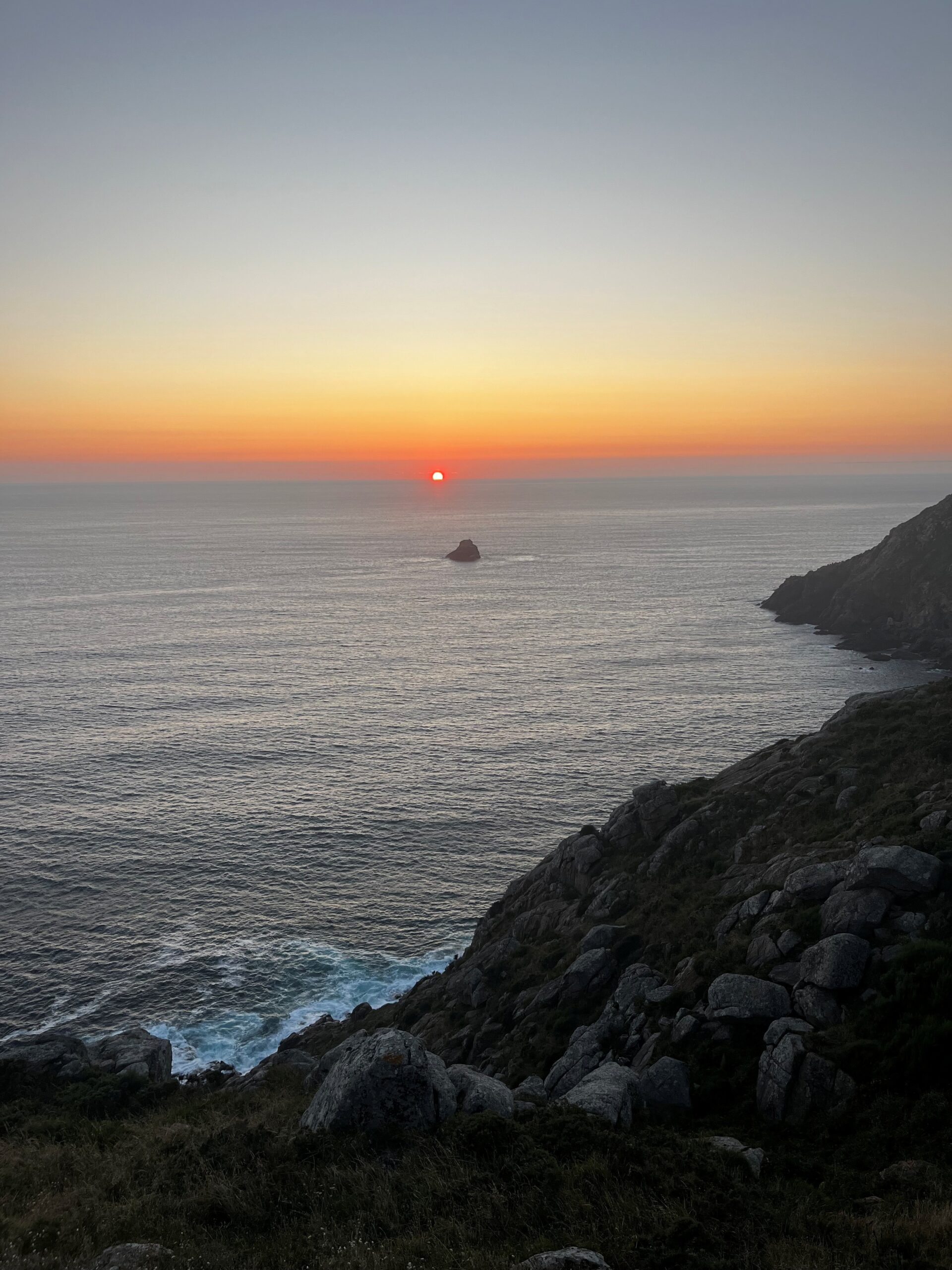
When I reached Cape Finisterre in July 2024, tears streamed down my face as I watched the sunset. It marked one of the most challenging periods of my life (up until now). I felt profoundly heartbroken, lonely, and lost. My father had passed away the previous year, and an emblematic Hungarian song from the 1970s resonated in my mind:
“Somebody tell me why long years / Pass by in the blink of an eye. / Somebody tell me what the past means. / Somebody tell me where we left it. / Somebody tell me how to live. / My father advised, ‘Do not harm anyone’. / Someone has witnessed me causing you pain. / Somebody has seen you hurt me. / Somebody tell me why we’re here. / My mother said, ‘To find happiness’. / But Mother never said why not on this Earth. / Mother never said… Tell me why.”
We all have “things” in our past that hold us back and no longer serve us. We embark on a pilgrimage to release these burdens. We recognise that our old selves must die for a new self to emerge. Letting go is one of life’s most challenging tasks. At times, it is necessary to journey to the edge of the world to honour what we wish to release, even if it has caused us deep pain, immense suffering, or led us to believe that the gods must be crazy for bestowing it on us.
Let your weight be eased by the journey! Buen Camino!