
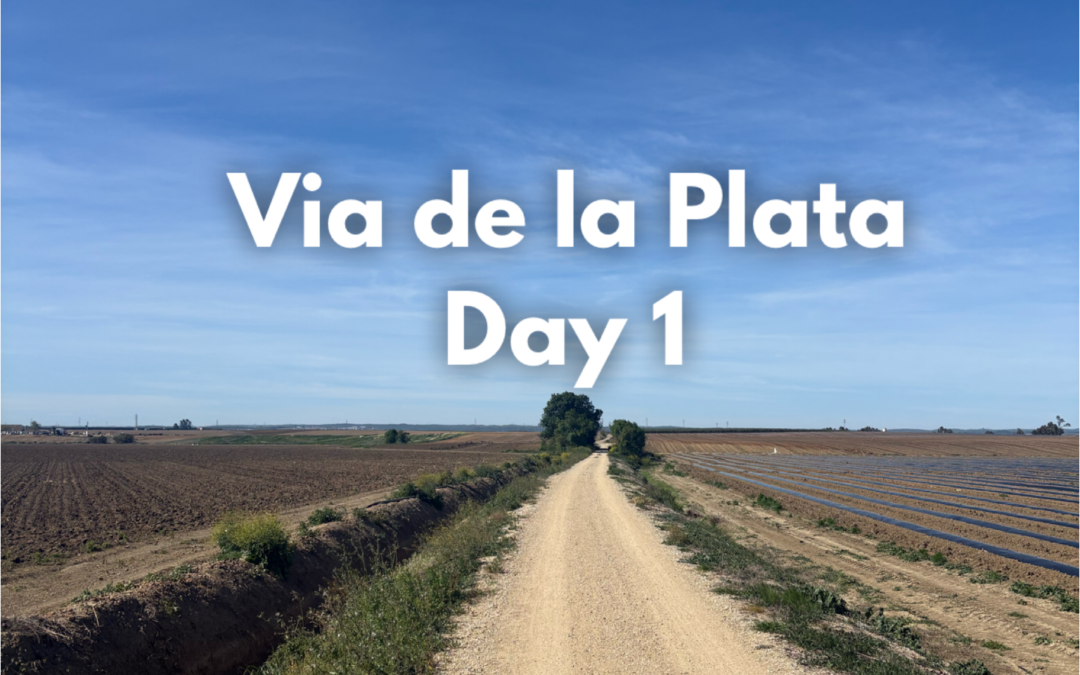
It was not totally easy to get up in the morning, especially after losing one hour due to the recent change to summer time. We have just changed to summertime, so I lost one hour during the night. It was a sunny morning, but it was a bit cold. Since I only leave Sevilla in the afternoon, I booked a bed at the pilgrim shelter in Guillena.
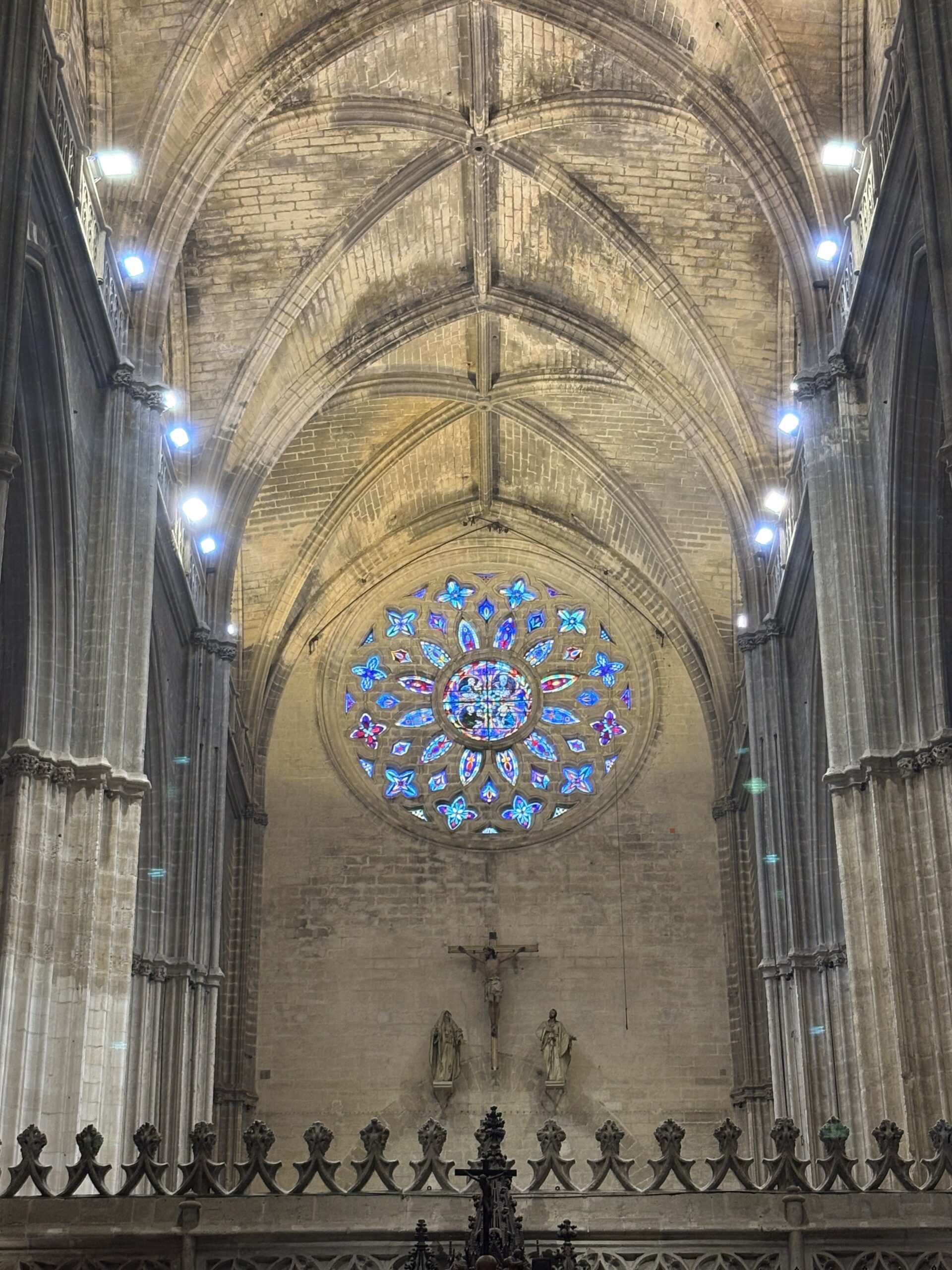
I quickly packed my stuff and headed to the cathedral, which is about 25 minutes’ walking distance. At 09:30 there is a mass, and it’s Palm Sunday, so I am looking forward to a promisingly spectacular celebration. All over the city, there are corridors formed on the street for people attending the festival and marching around the church. “Hosanna to the son of David!”
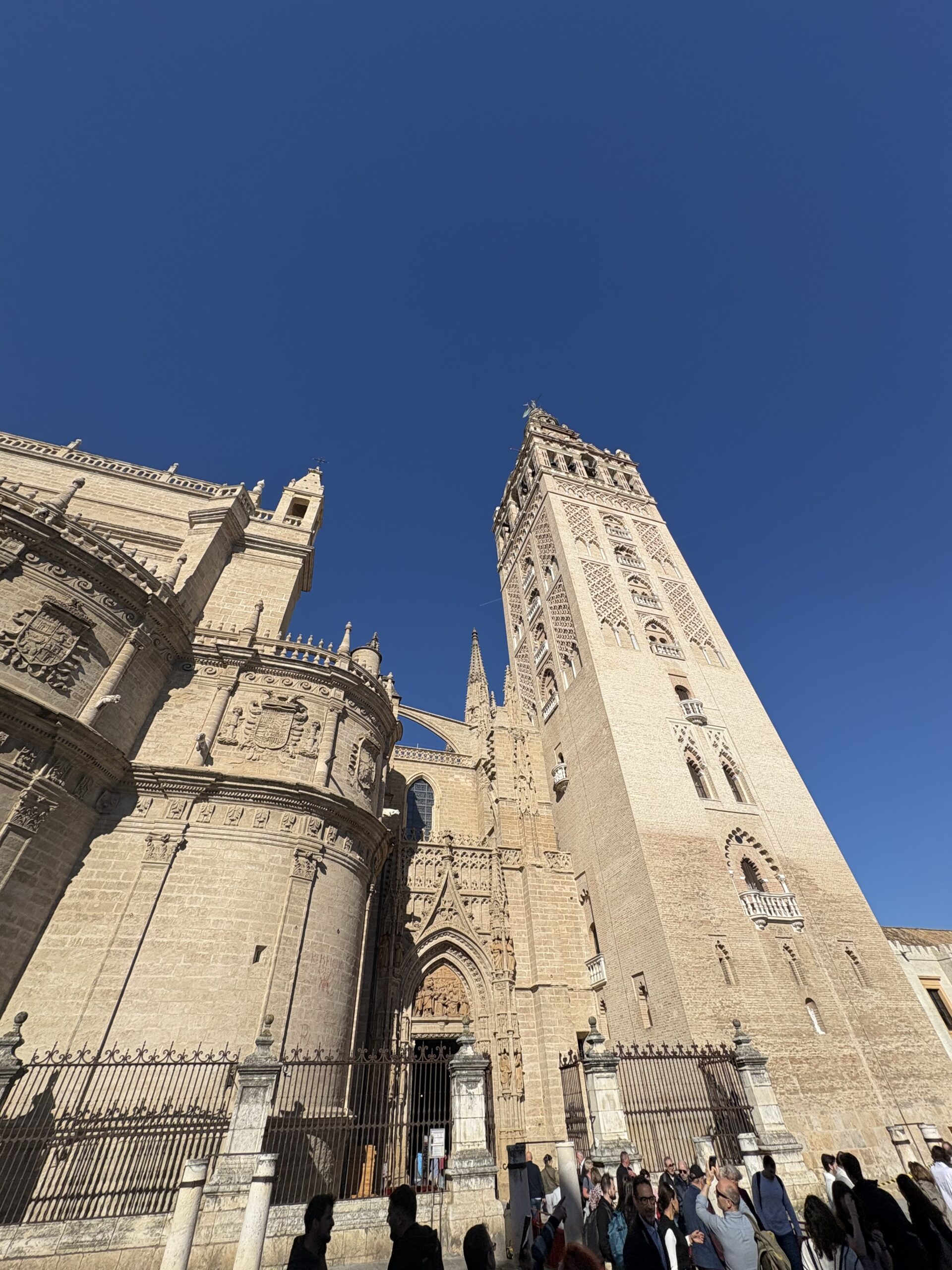
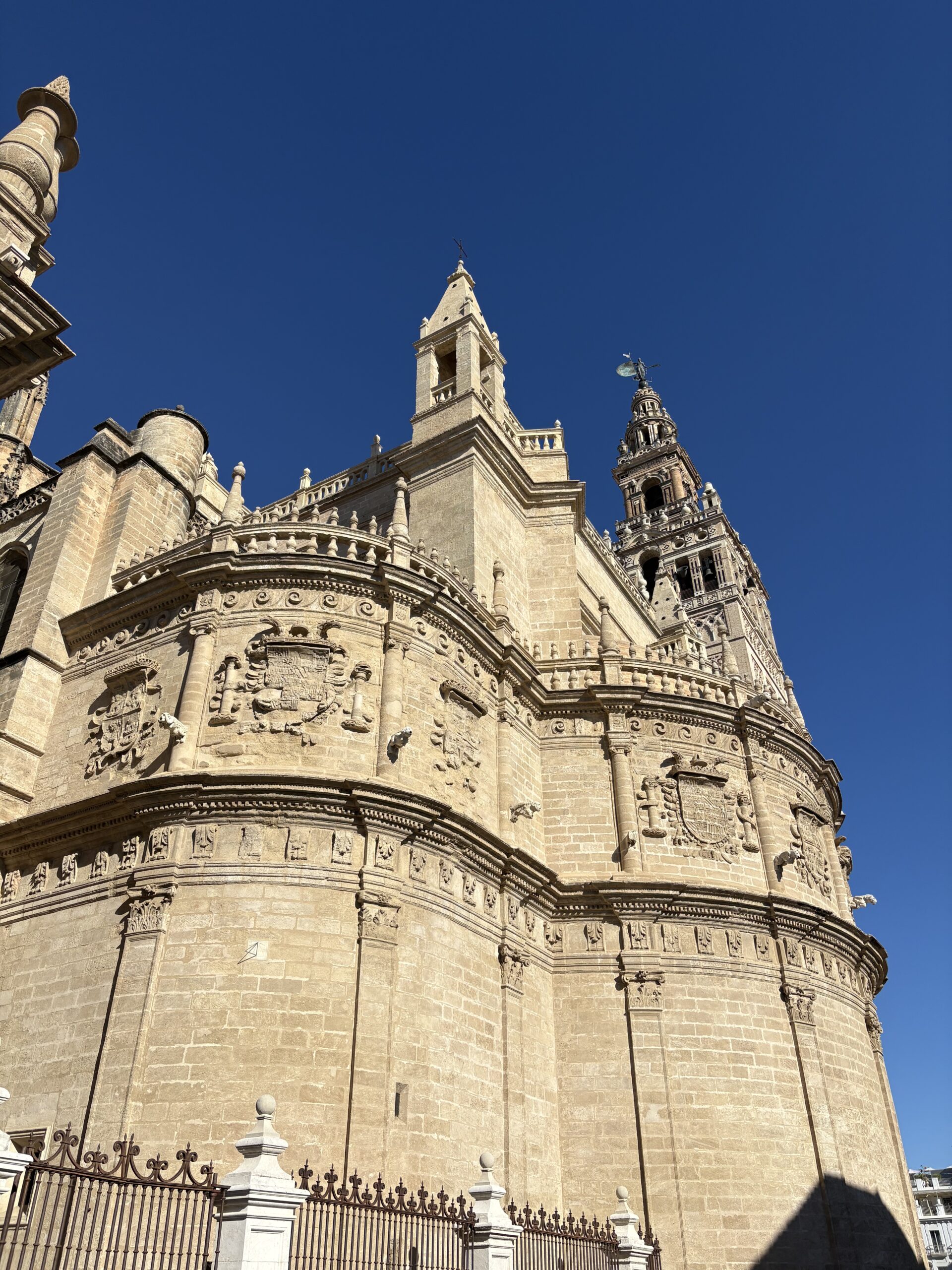
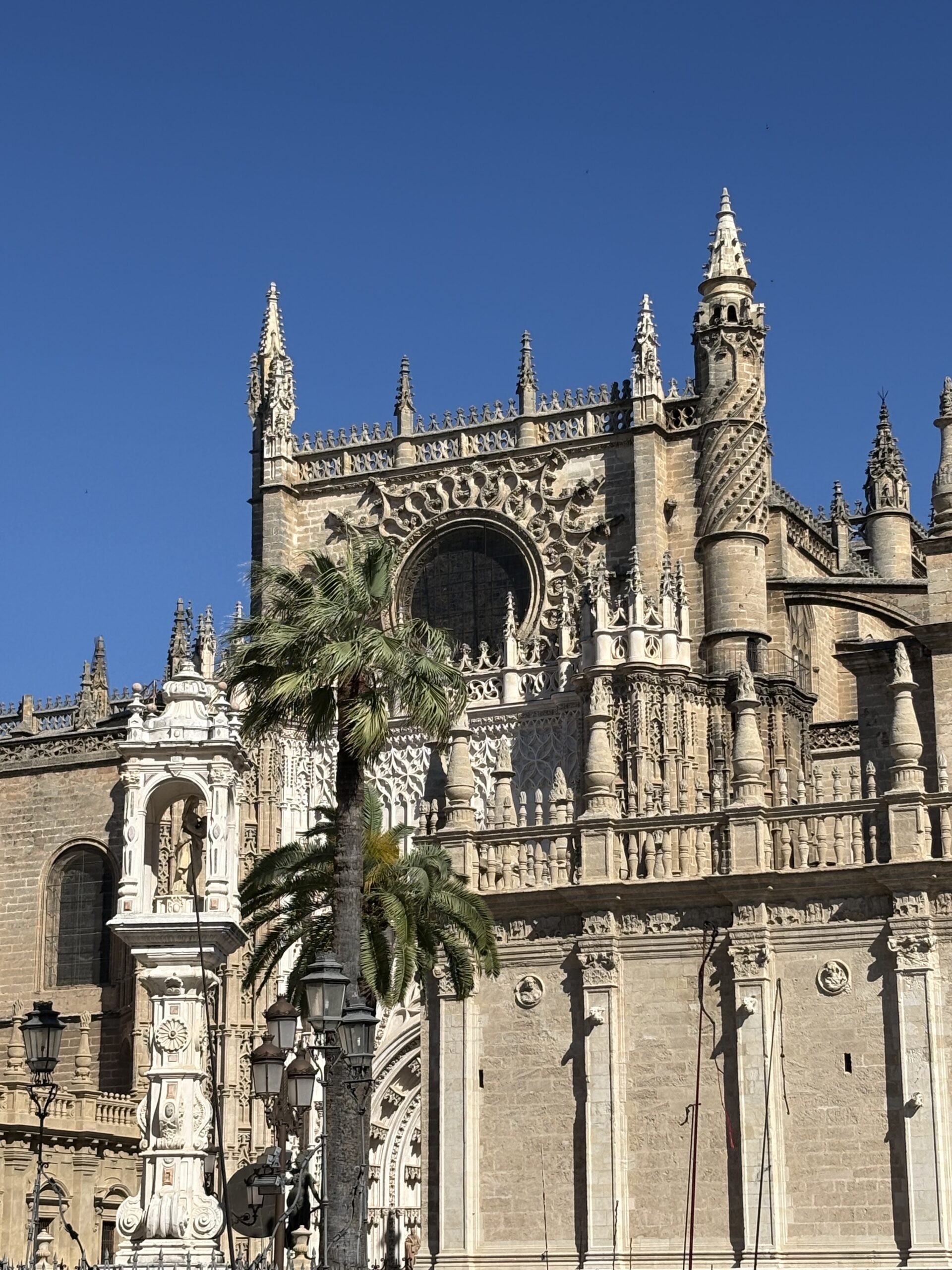
Before the mass, there was a long prayer, and, to be honest, I felt a bit cold after a while, so after 1 hour, 45 minutes, I asked for a stamp before I left. I had some time to walk inside the cathedral. To be honest, it really feels overwhelming in scale. It is the largest Gothic cathedral in the world, and it was built on the site of a former mosque after the Christian reconquest of the city. What makes the structure particularly fascinating is that the builders deliberately wanted to create something so vast and magnificent that people would think them slightly insane. That ambition shows in the sheer size of the interior, with its soaring ceilings and immense nave that seems to stretch endlessly. The Giralda tower, which was originally the mosque’s minaret, is one of the most intriguing parts. Instead of demolishing it, the Christians transformed it into a bell tower.
The cathedral is also closely linked to Christopher Columbus, whose tomb is housed inside. Seville claims to be the final resting place of Christopher Columbus, despite the complicated journey of his remains across continents over the centuries.
The sun was already comforting, so I found a place to have a late breakfast. The usual pilgrim breakfast for me is toast with tomatoes and ham, freshly squeezed orange juice, and café con leche. Always review the bill carefully in Sevilla! Sometimes, “accidentally,” something slips in that you haven’t consumed.
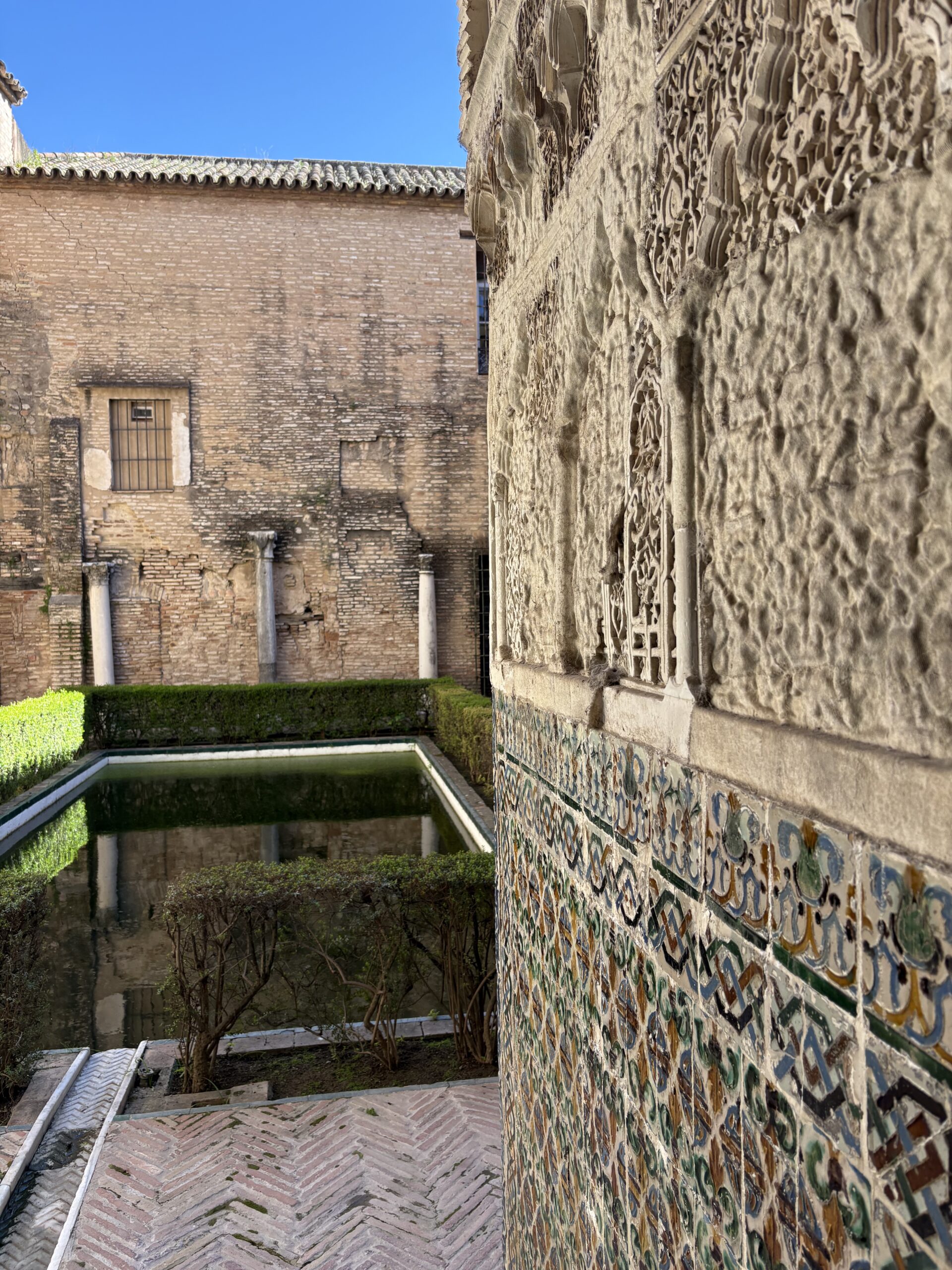
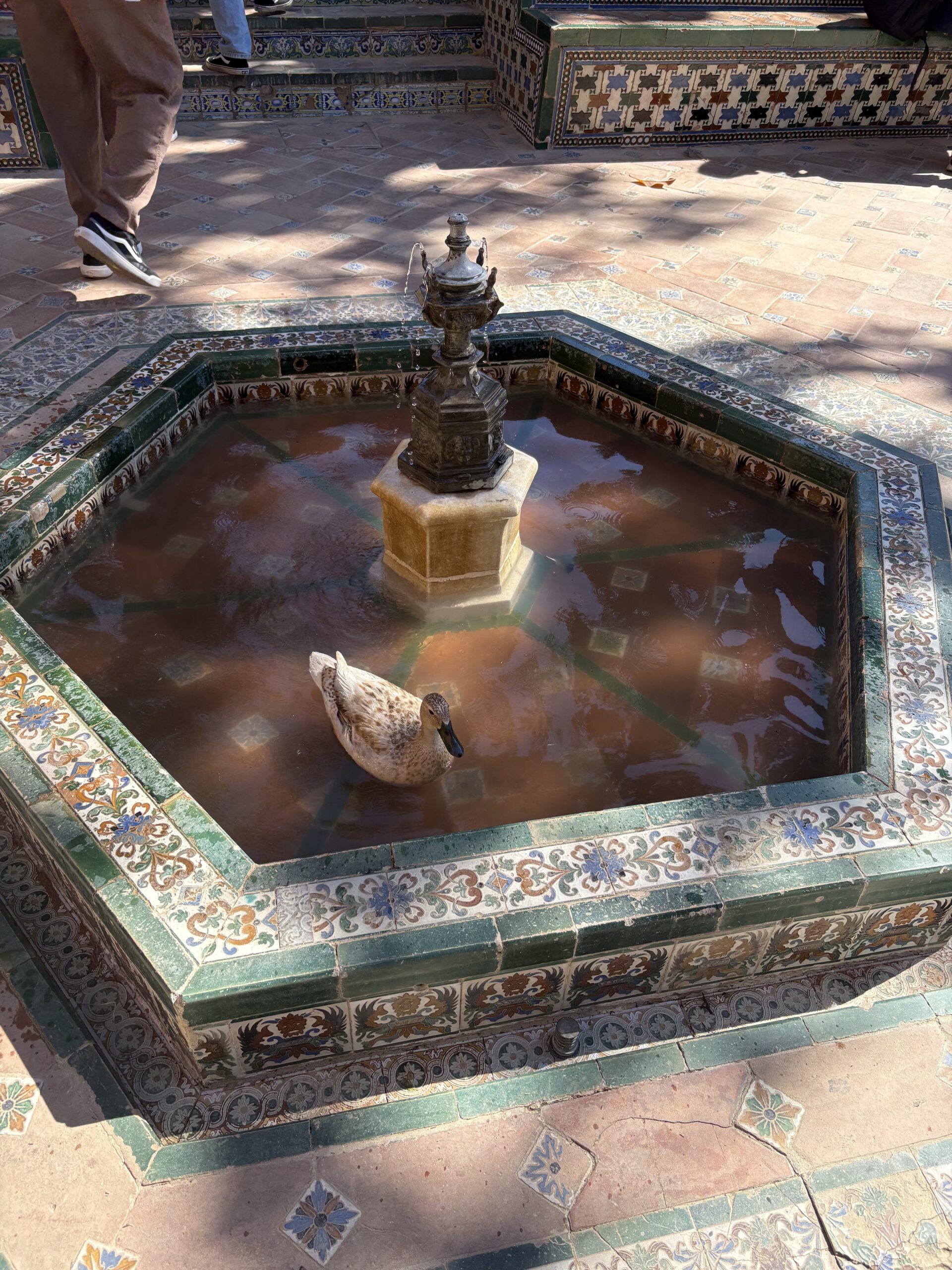
At 12:00 I visited the Real Alcázar. Unlike many royal palaces that have become purely ceremonial or museum spaces, the Alcázar is still used by the Spanish royal family when they visit Sevilla, making it the oldest royal palace in continuous use in Europe. Although it is a Christian royal palace, much of its most striking architecture was created by Muslim craftsmen in the Mudéjar style. Arabic inscriptions praising rulers run alongside Christian symbols, and intricate geometric tiles sit beneath Renaissance ceilings. Rather than feeling contradictory, these elements come together in a way that reflects the complex history of Spain itself.
Its walls are relatively plain, even modest, but once inside, the space unfolds into a series of increasingly elaborate courtyards and halls. Fans of Game of Thrones might recognise parts of Alcázar as the Water Gardens of Dorne. It is an oddly fitting choice, since the palace already feels slightly unreal, as if it belongs as much to imagination as to history. Walking through it, you get the sense that it was designed not just to impress, but also also to transport, to create a world apart from the city outside.
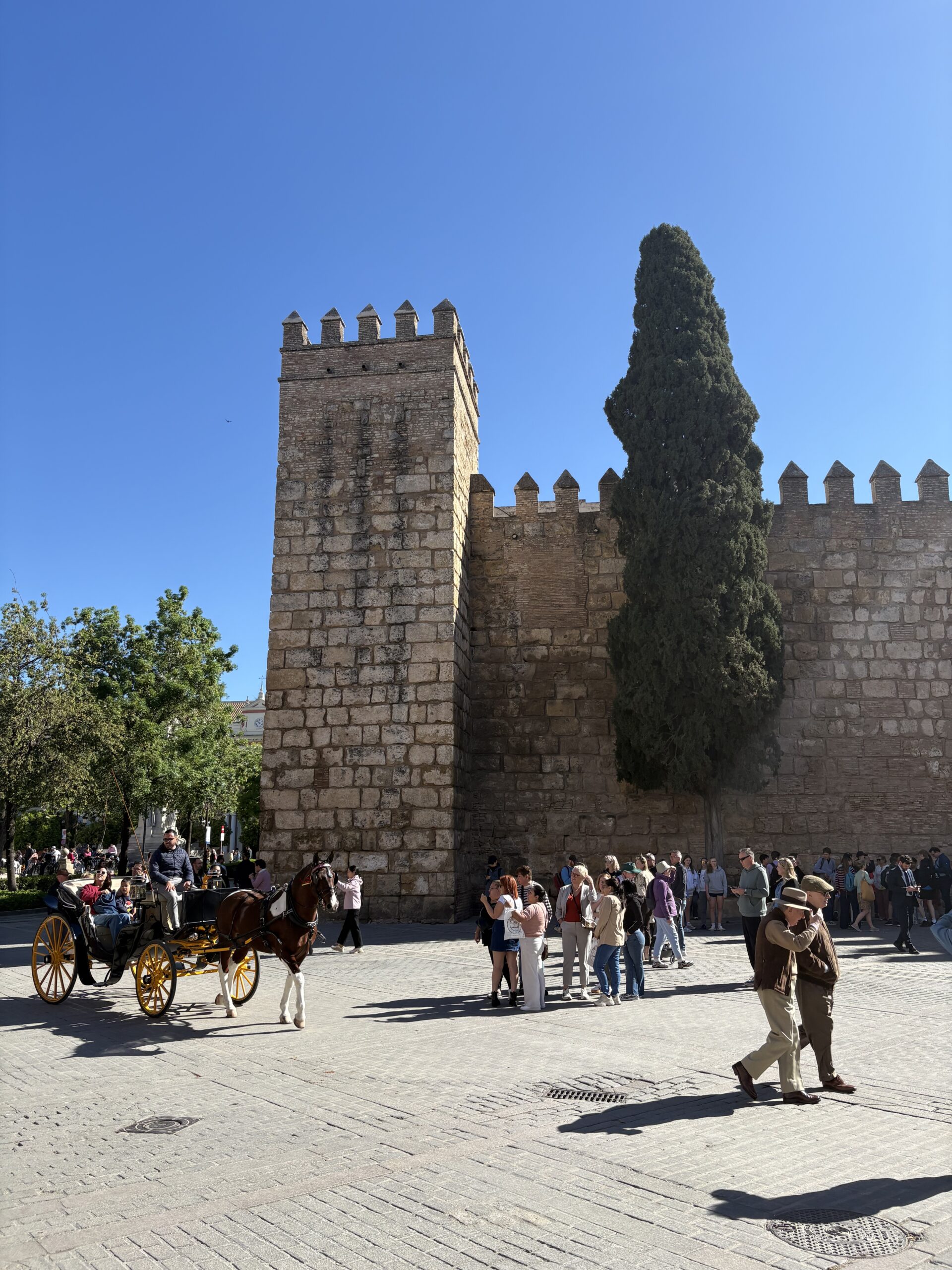
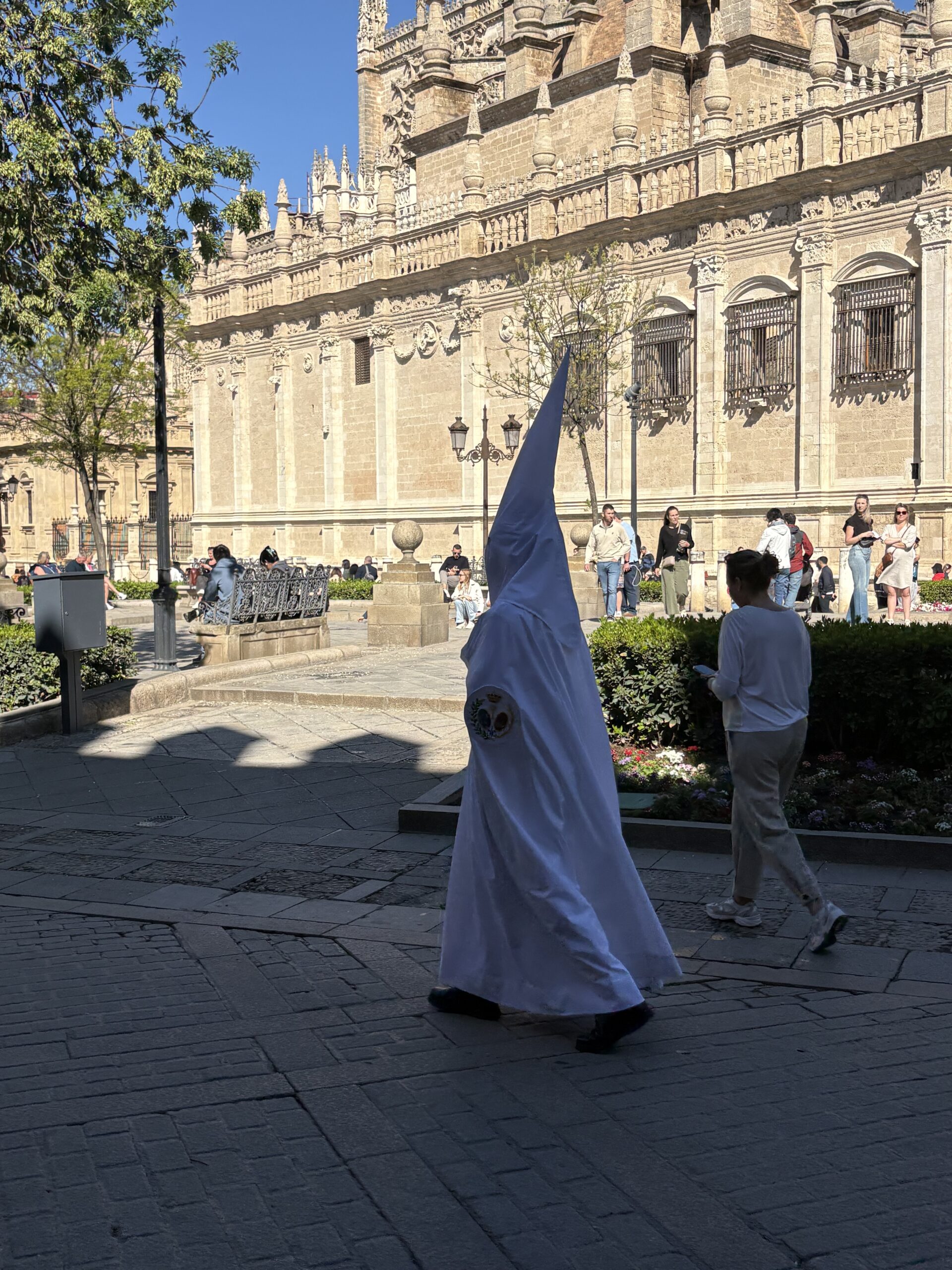
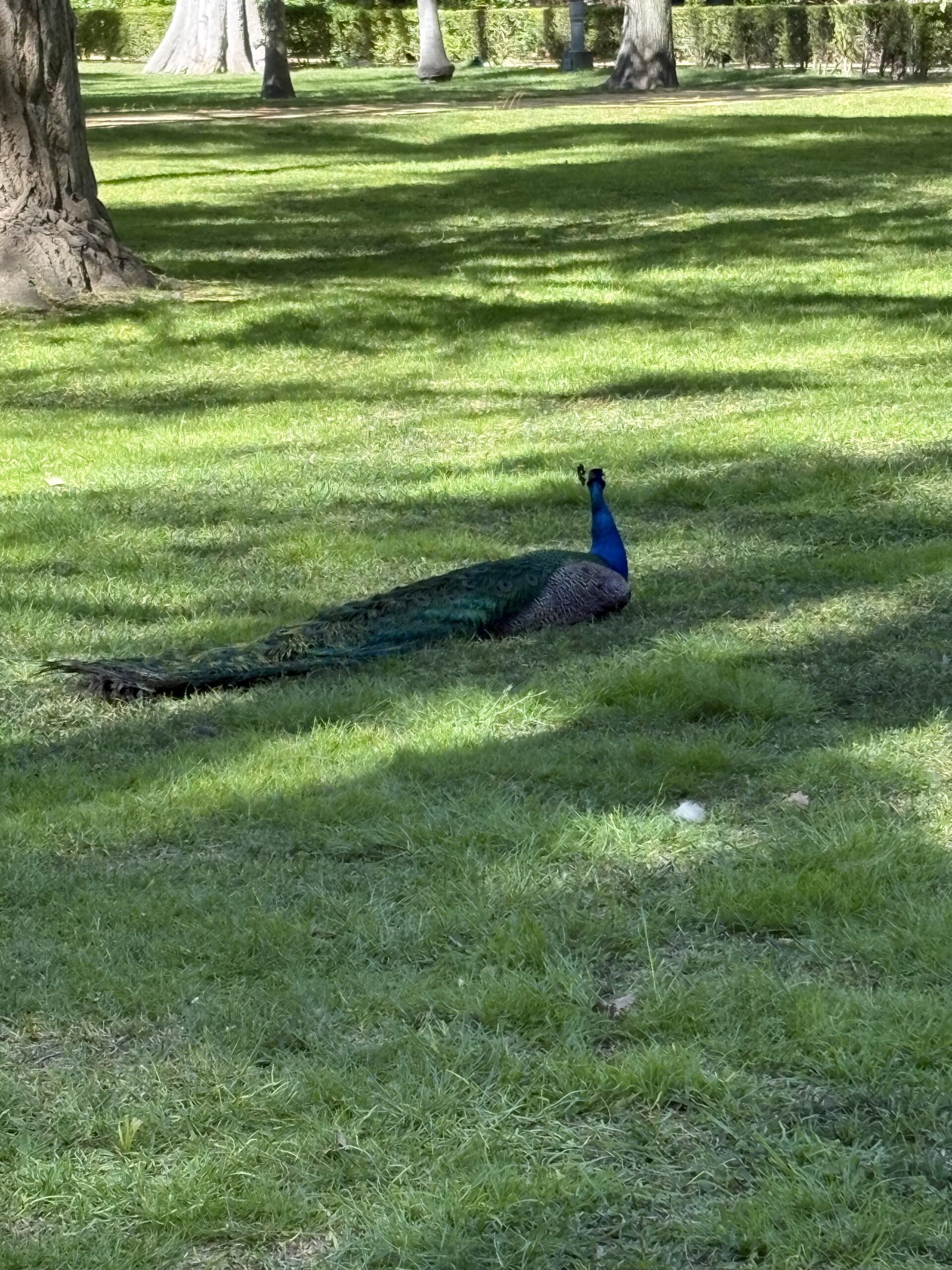
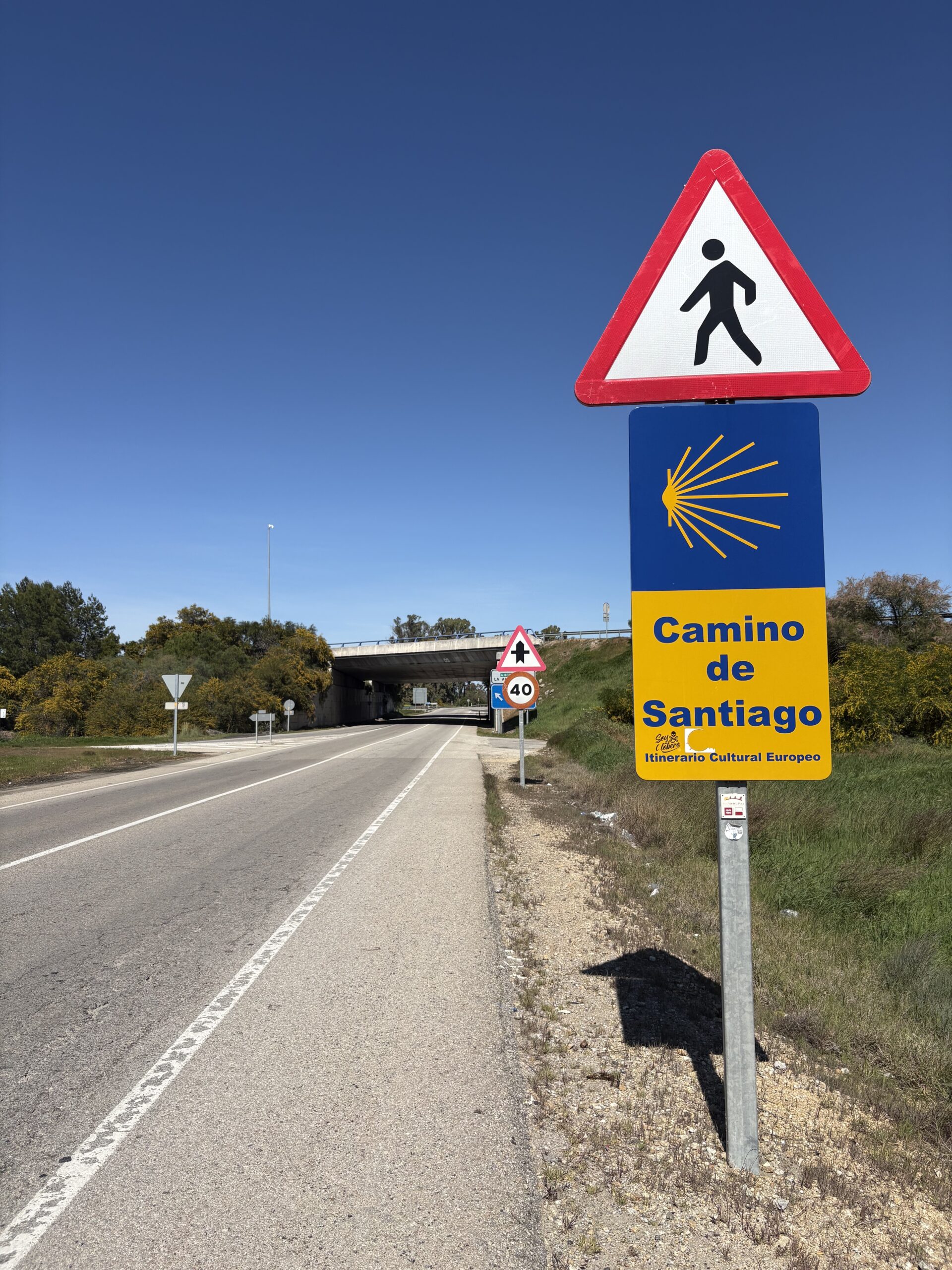
After the Real Alcázar I headed towards the Camino. The city is full of people; men are wearing suits, women wear nice dresses, and even the children are dressed as little princes and princesses. There was such a huge crowd at some places that I had to find a detour. Leaving Sevilla, one can notice that this is not the richest part of Spain: abandoned buildings and piles of garbage everywhere along the trail.
I reached the first suburban town, Camas, in about an hour. People are sitting on bar terraces and enjoying the sunny weather. For me there is a long way to go. At 15:00 I reached Santiponce, where I made a small detour to the Monasterio de San Isidoro del Campo, which was unfortunately not open for visitors, and I passed by the ruins of the Roman theatre. I had a quick lunch (fried shrimp with garlic and bread) and continued. I am halfway to my daily destination, so I also changed socks to a dry one.
The second half of the route was very windy. The landscape shifted from an urban area to open fields, farmland and canals. I met a group of older men and a young woman. I passed all of them. It seems that, indeed, the Vía de la Plata is busy this time of the year.
I arrived in Guillena at 18:00. The hospitalera was not here. It’s good that I booked a bed, because it seems quite full. I had a cold shower because the others used up all the warm water. I went to the store to buy some healthy snacks – olives and mussels – which were my dinner for today. I will share a room with 5 other pilgrims. All men. Earplugs time!
Daily spending:
€9.50 – breakfast
€15.50 – museum entry
€18.80 – lunch
€7.50 – grocery
€15 – accommodation