
We had to leave the albergue by 8:00, so all the pilgrims got up at around 7:00-7:30. I packed my bag and left together with the Finnish pilgrim, who will stay an extra day in Mélide to allow his feet to heal. It was not easy to find an open café at around 8:00 and get breakfast, but finally we managed.
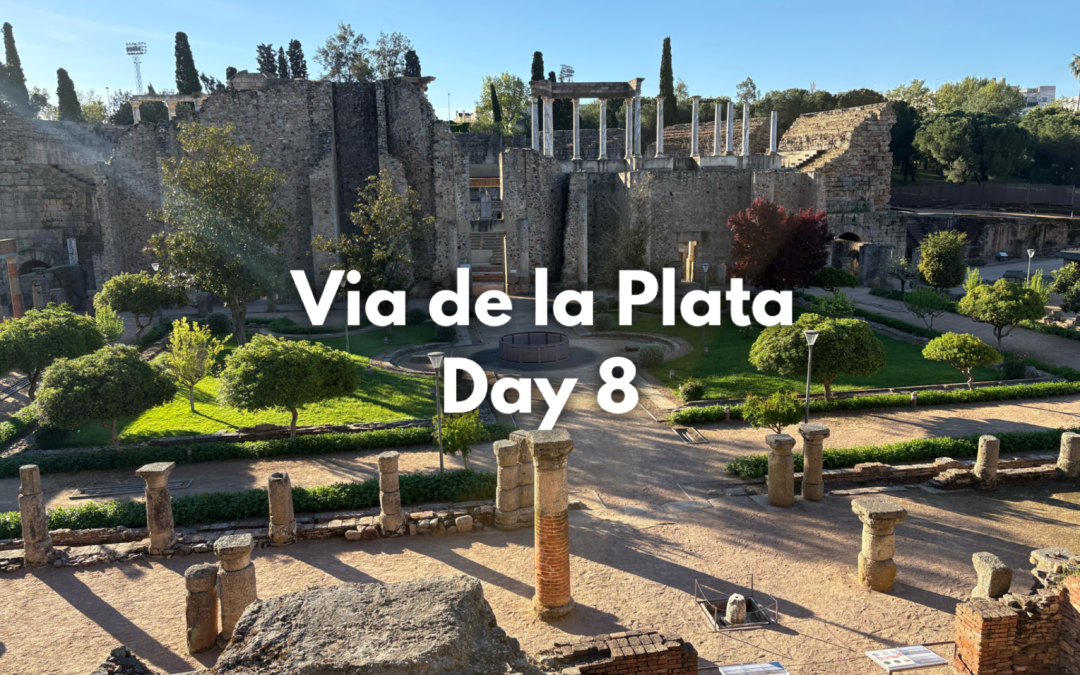
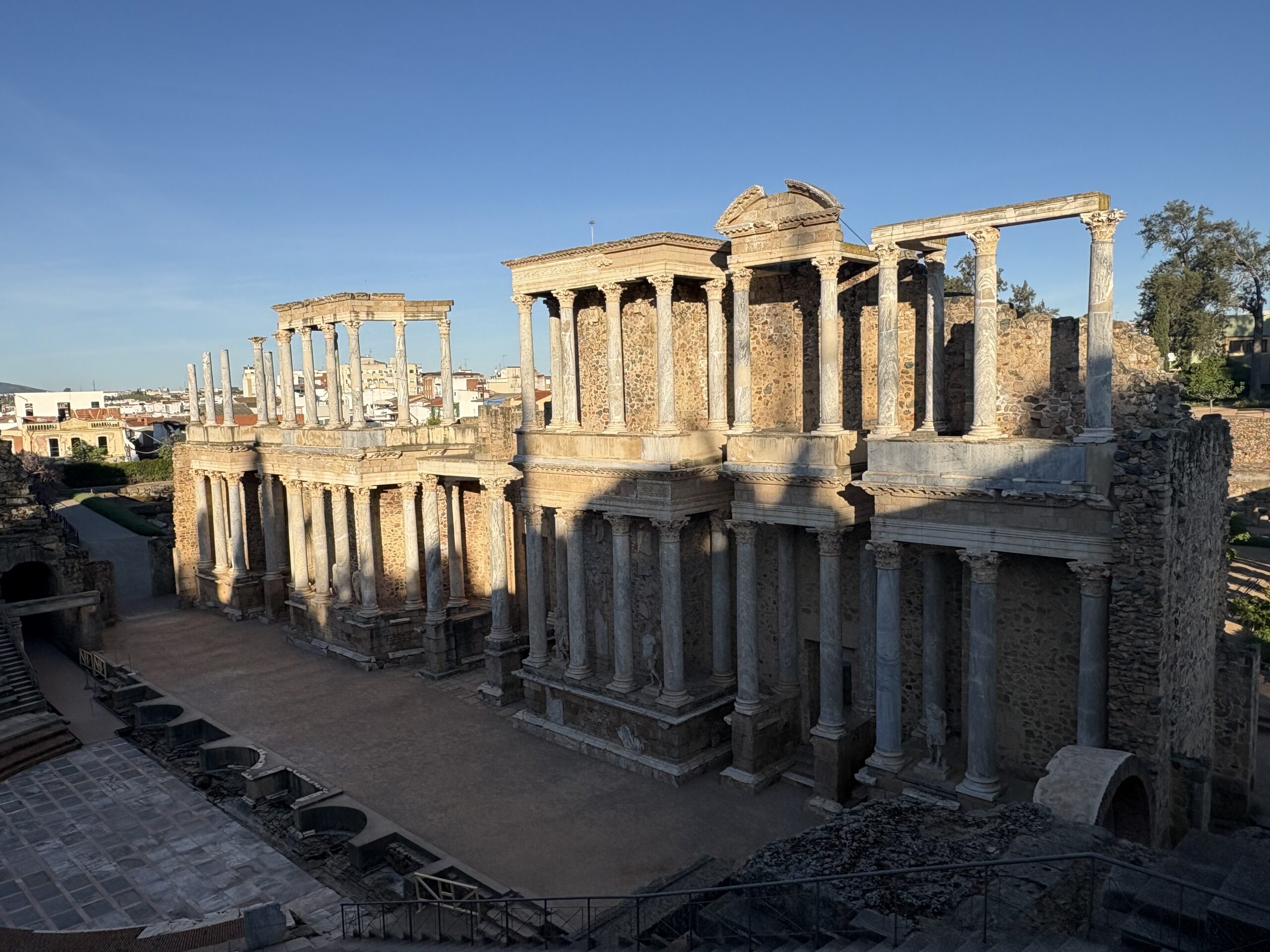
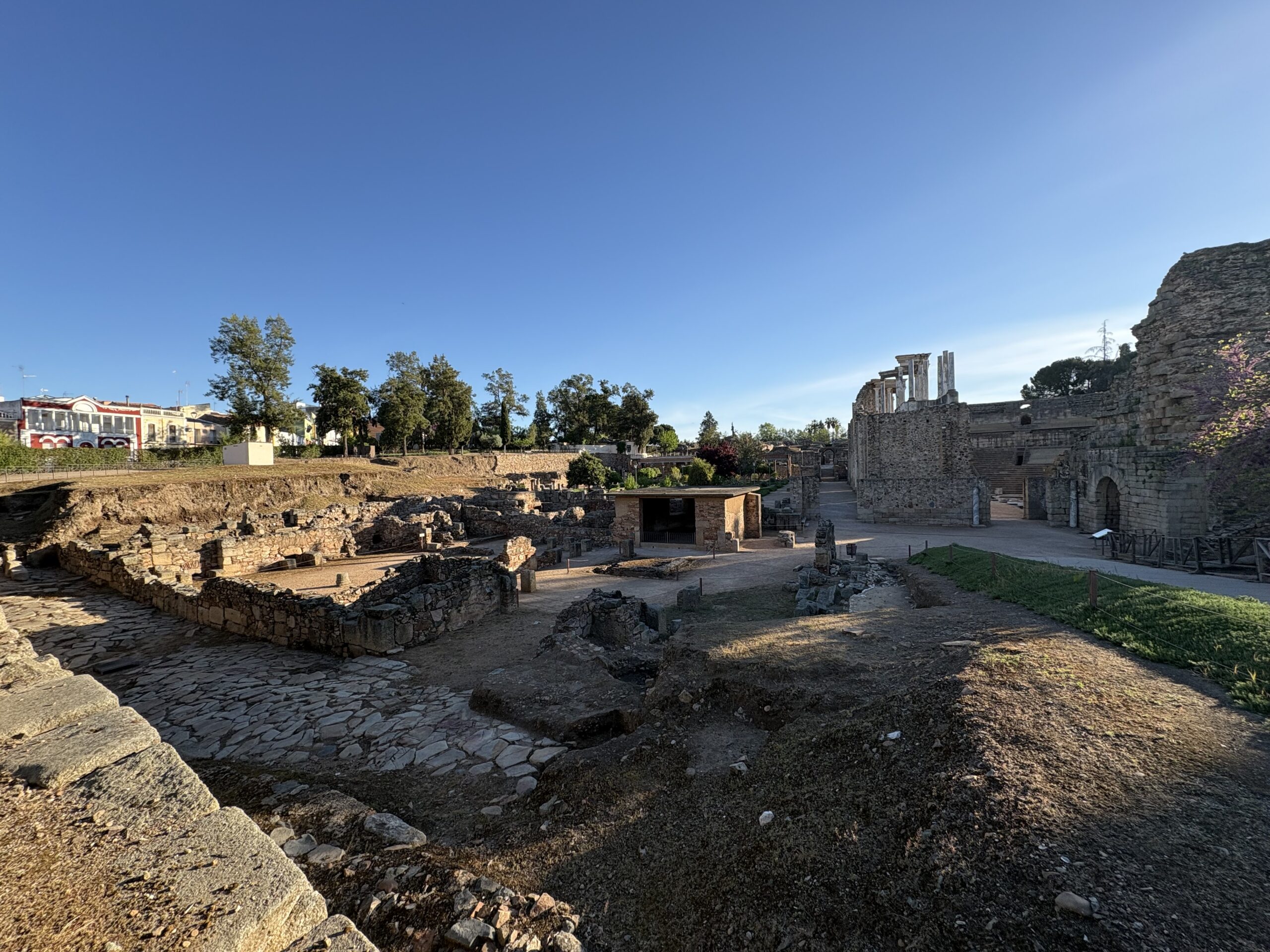
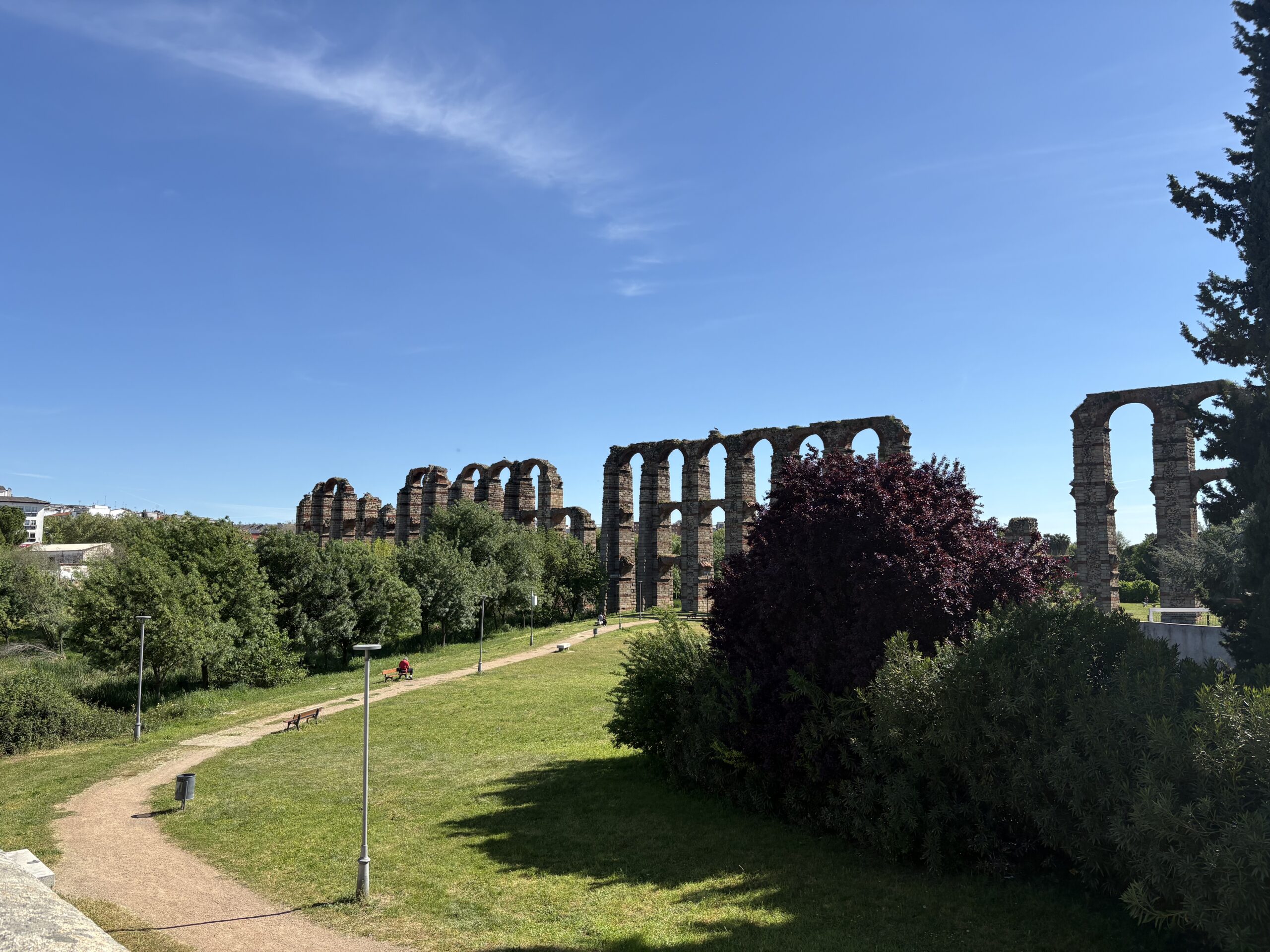
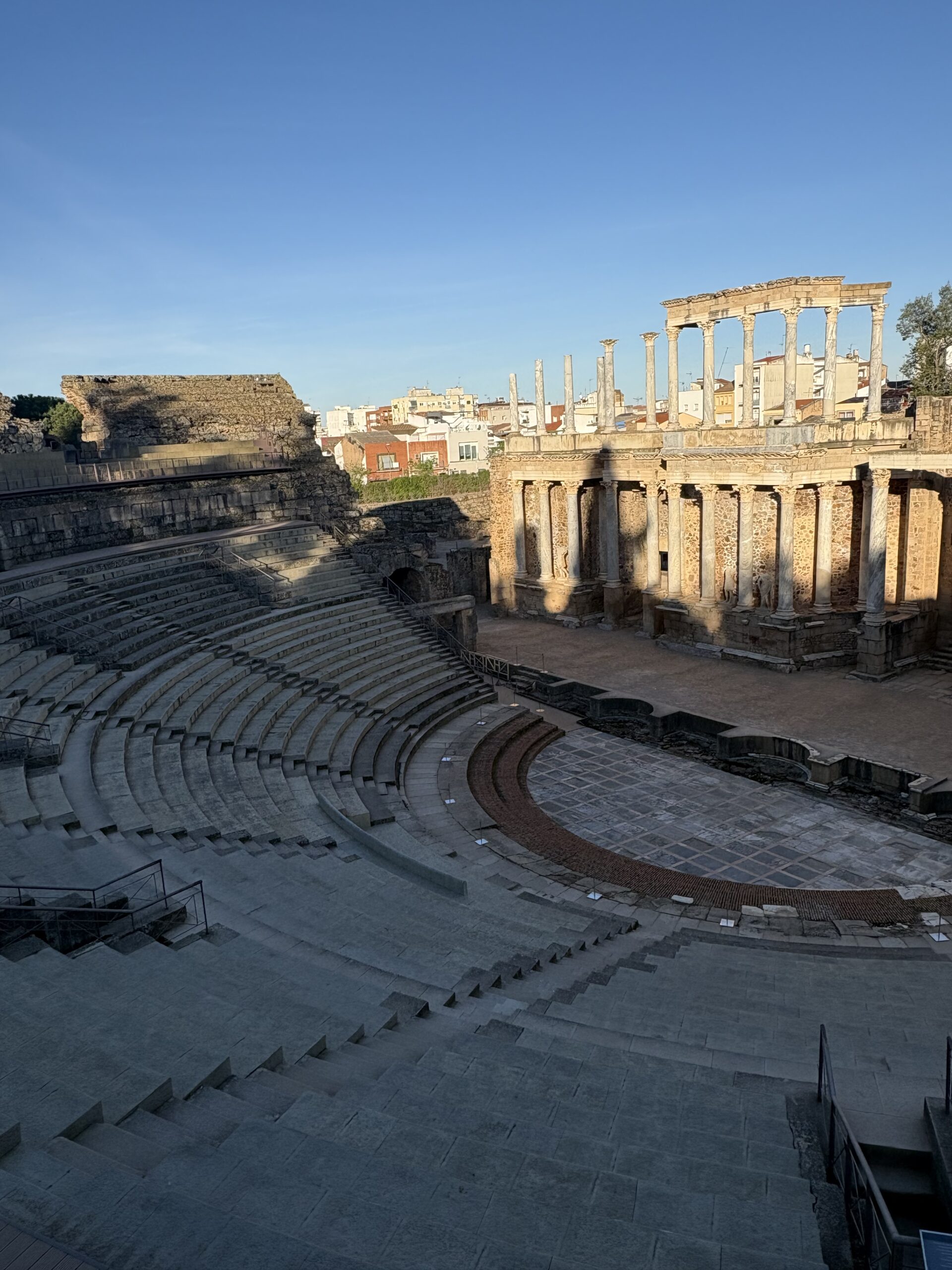
After breakfast I headed to the Roman theatre and amphitheatre, which opened at 9:00. I was the first to enter. Mérida is a magical place where ancient history isn’t in museums; it’s everywhere around you.
The city was founded in 25 BC by Emperor Augustus. It was dedicated to providing settlement for retired Roman soldiers. That’s actually where the name comes from: ‘Emerita’ means ‘veterans’.
In the theatre, still being in remarkably good shape today, actors performed stories about gods and heroes 2000 years ago, and for centuries, locals believed the place was cursed and pagan spirits lived here. It was buried and forgotten until it was rediscovered in the 20th century. Right next door, in the Amphiteatre, real people fought to the death for entertainment. Gladiators weren’t always slaves; some were volunteers chasing fame, like agent influencers, but with way higher stakes.
My next stop was the Temple of Diana. Contrary to its name, it wasn’t actually dedicated to Diana, the Roman goddess of the hunt, the moon, nature, and childbirth. Historians believe it was used for emperor worship, basically propaganda in stone.
After the temple, I visited the fort at the entrance of the city. After locals rebelled against Islamic rule (around 805), emir Abd ar-Rahman II ordered a fortress to be built, and he didn’t place it randomly. He built it right next to the Roman bridge, because that’s where people, goods, and armies entered the city. The Muslims literally took pieces of the old Roman city and rebuilt something new.
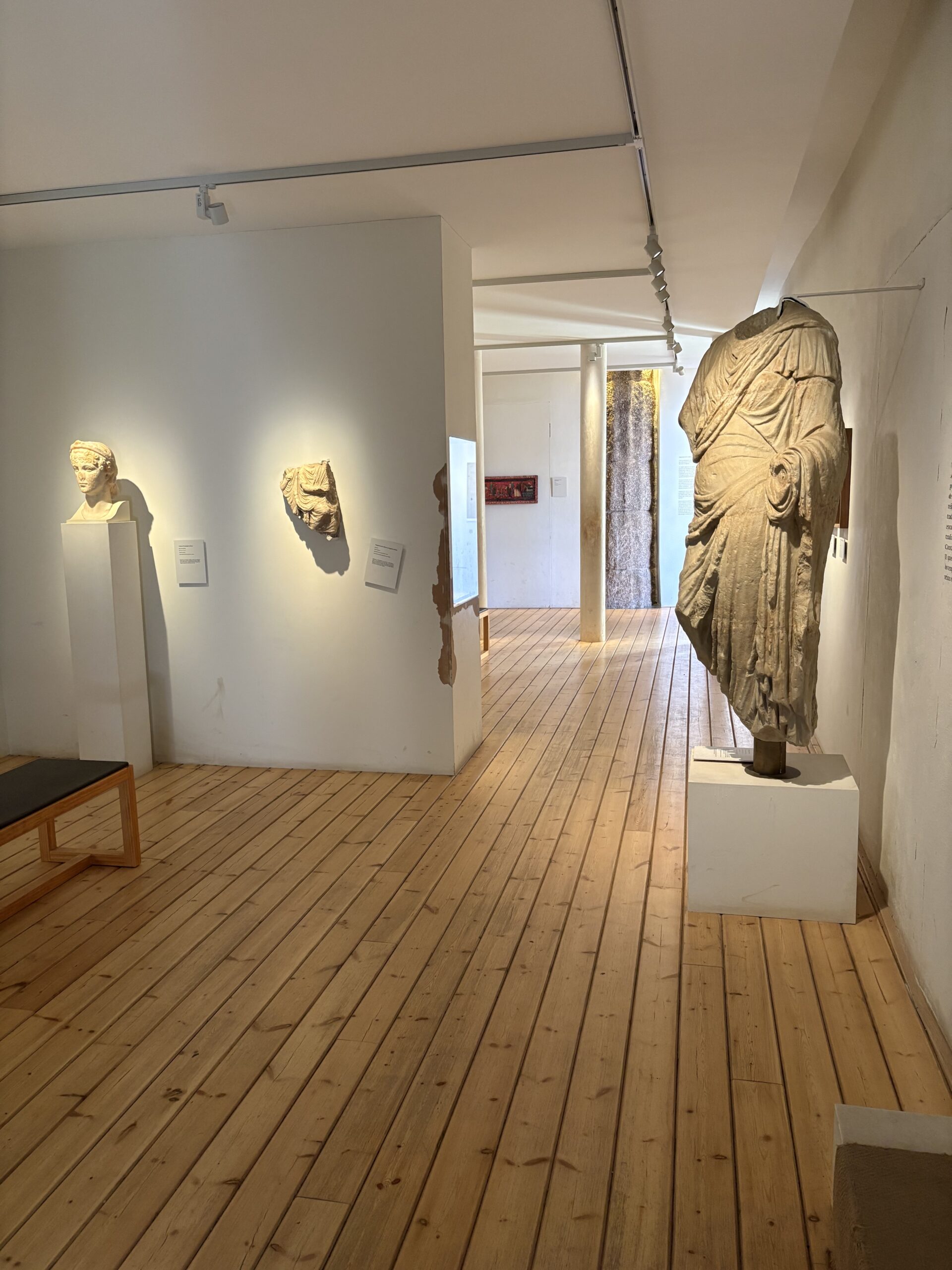
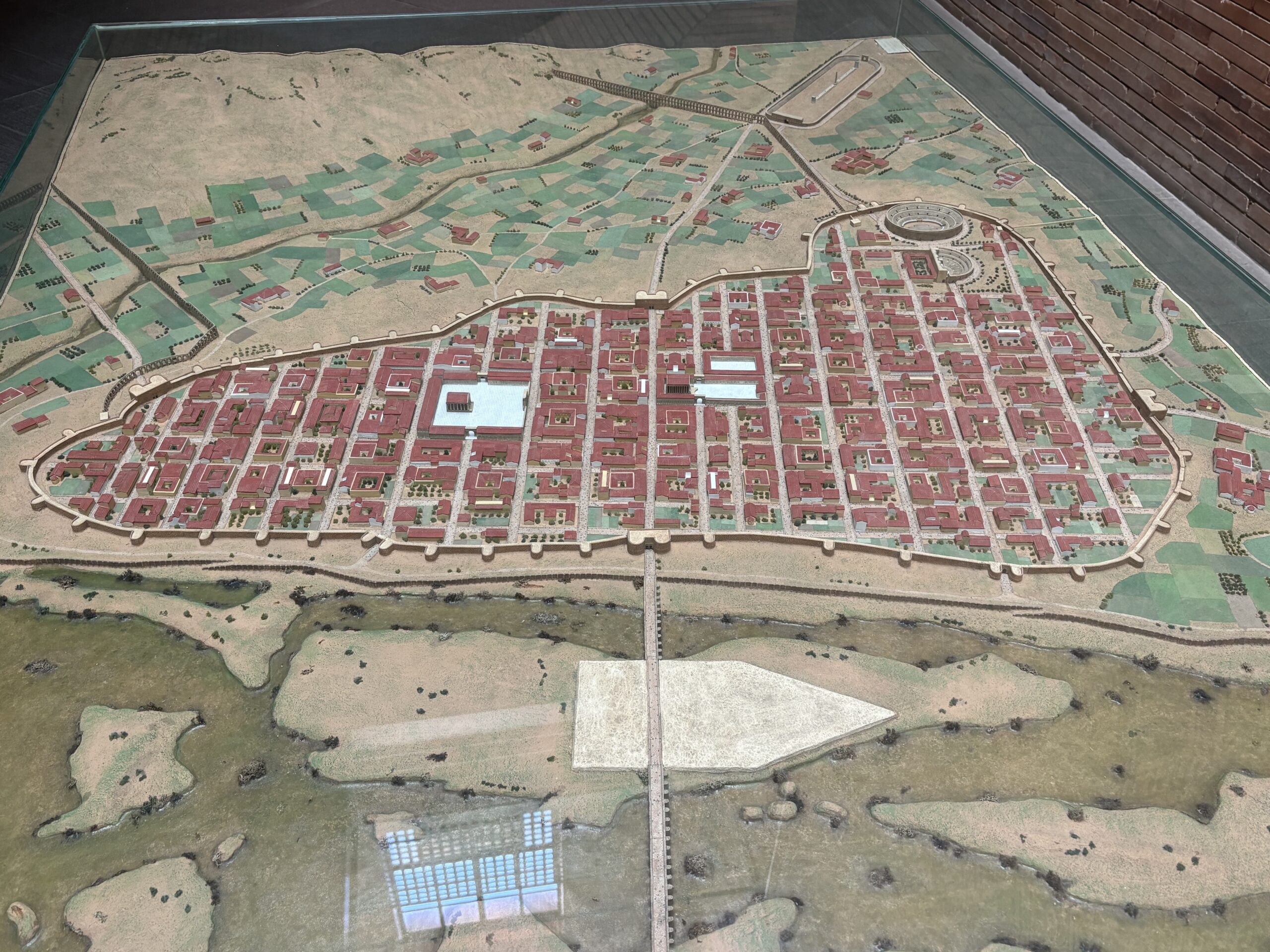
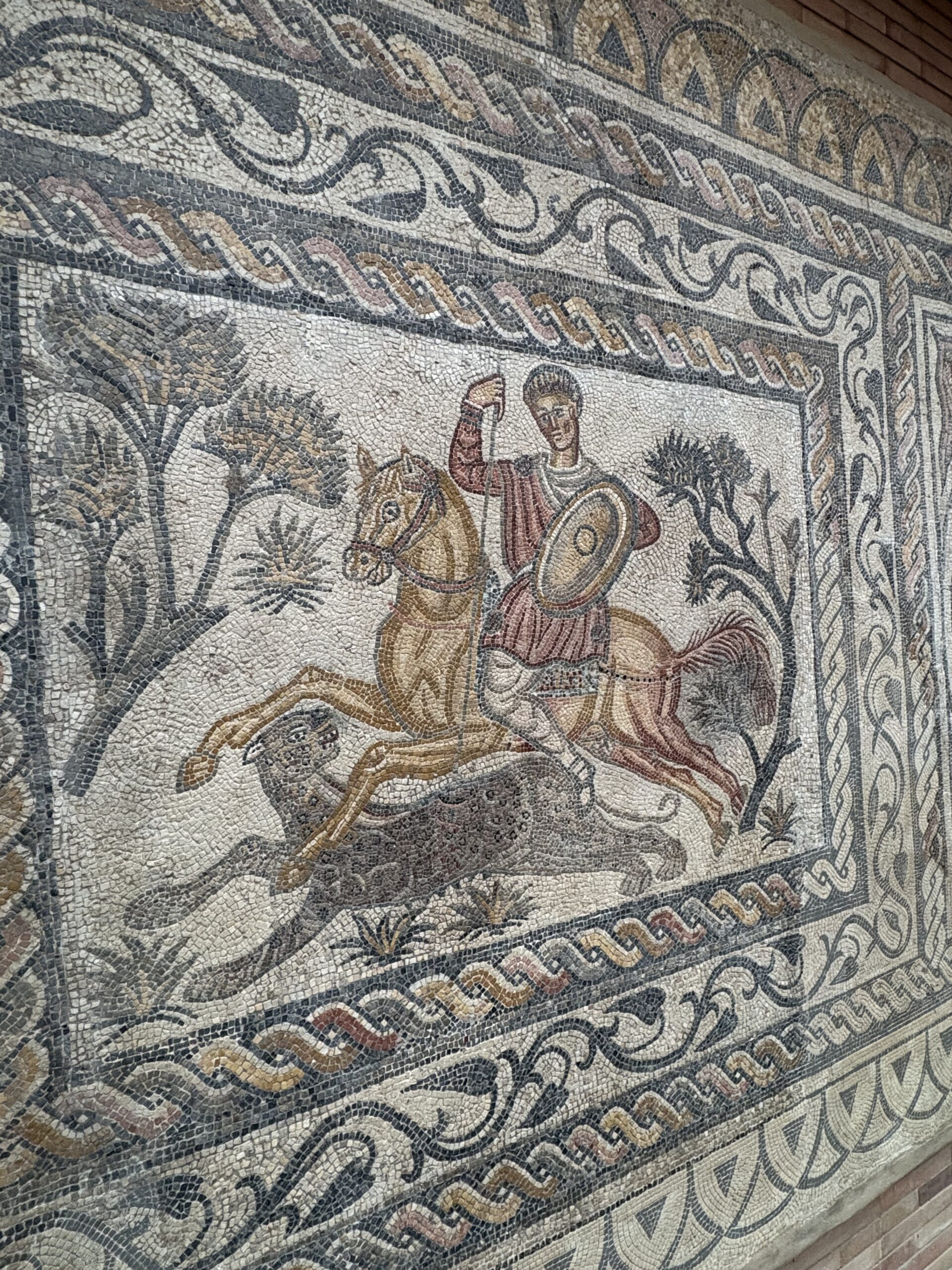
The National Museum of Roman Art has an impressive collection of statues, carved scriptures, mosaics, jewellery, coins, and everyday tools. Moreover, you can see a small maquette of the Roman city.
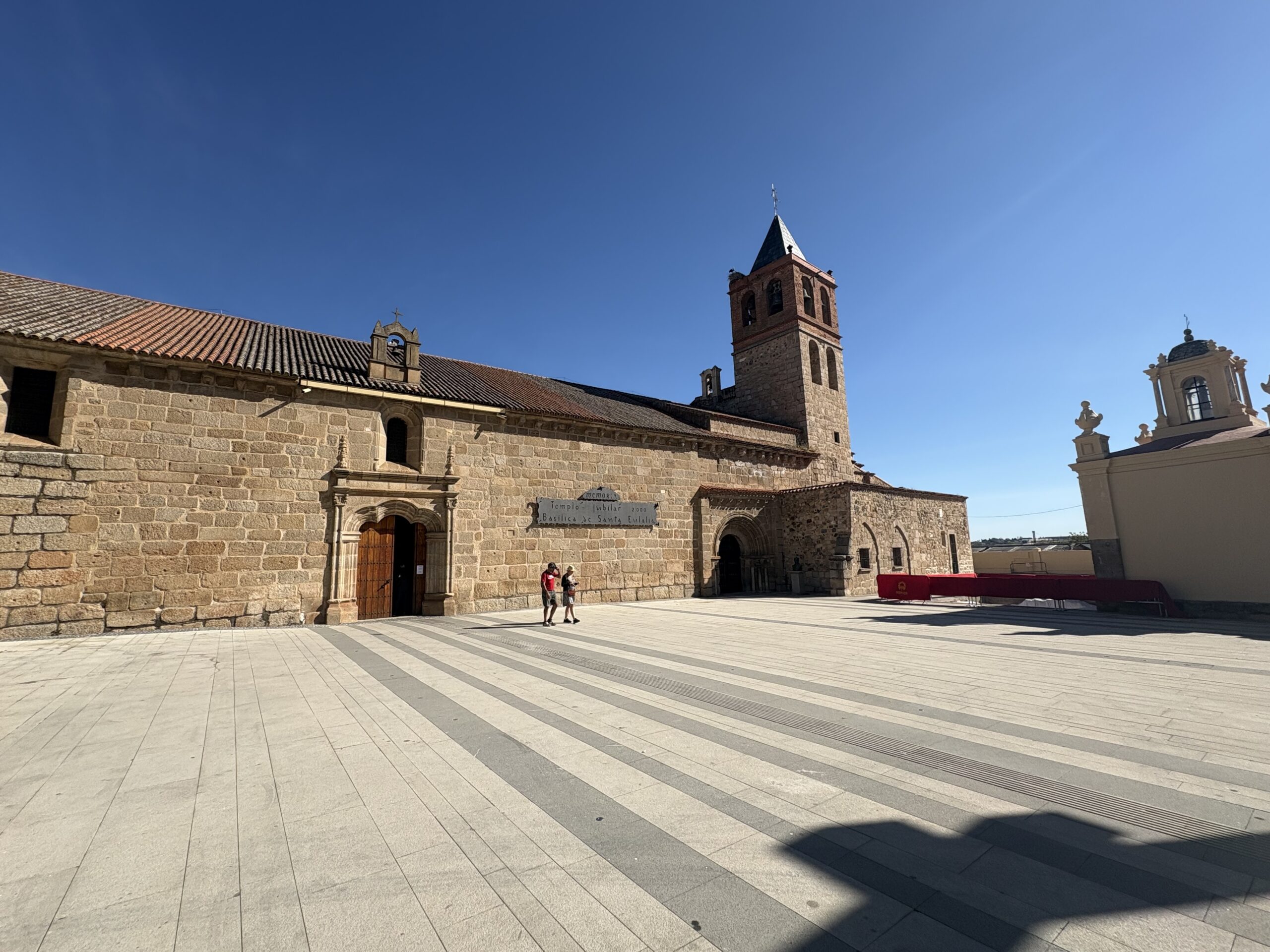
My last stop was the Basilica of Saint Eulalia. Eulalia was just 12 or 13 years old during the time of Roman persecution of Christians, under Emperor Diocletian (early 300s AD). When authorities demanded that people worship Roman gods, she refused. Not quietly. She openly challenged the governor, denouncing pagan beliefs. She was arrested and tortured in brutal ways meant to break her faith. According to tradition, she was burnt with torches, her body was torn with hooks, and she was exposed to humiliation and pain. But she never gave in. At the moment of her death, a white dove was said to fly out of her mouth and rise to the sky, and suddenly, snow fell, covering her body, even though it wasn’t the season. She became the patron saint of the city, and her story spread across Europe.
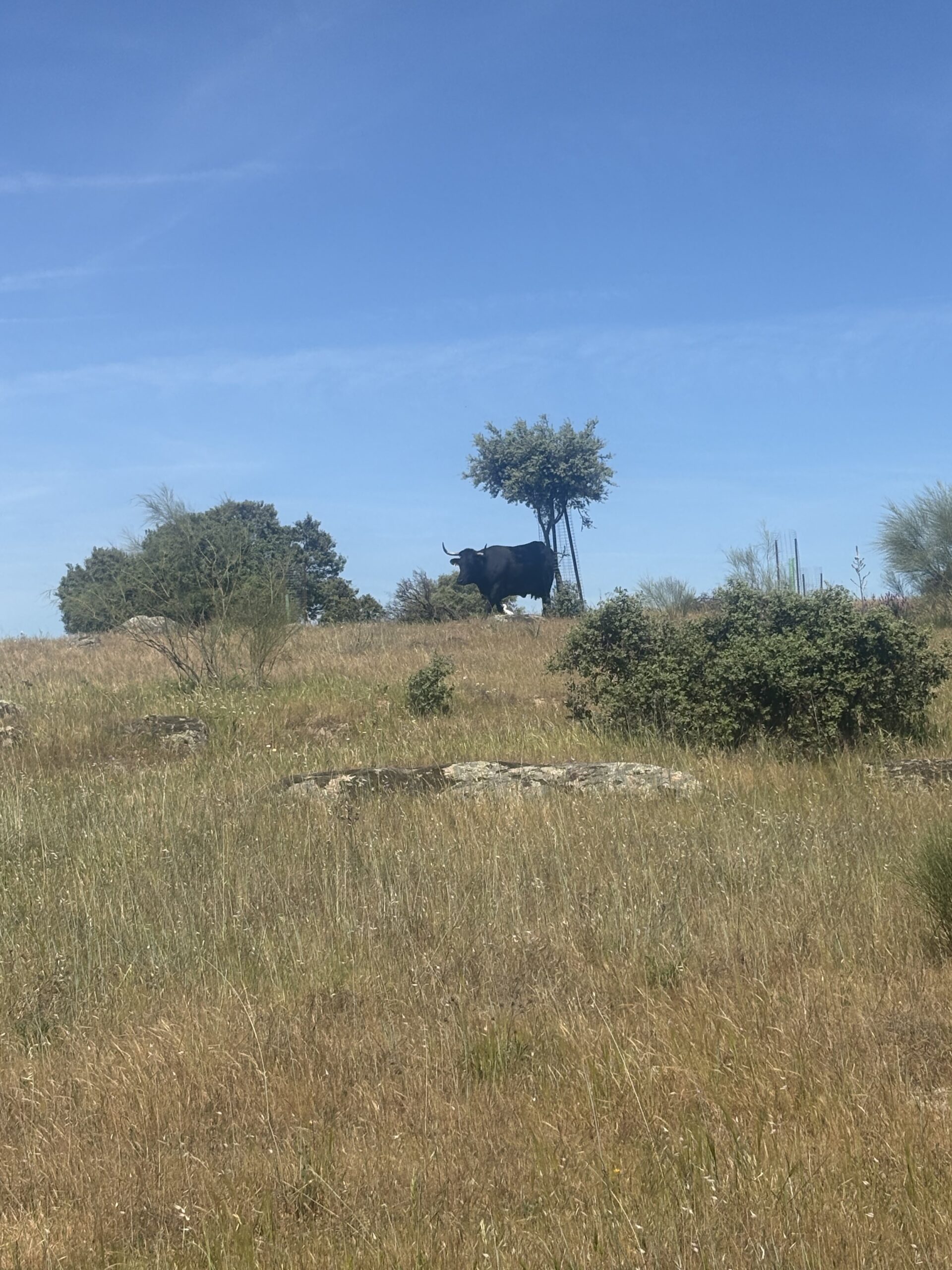
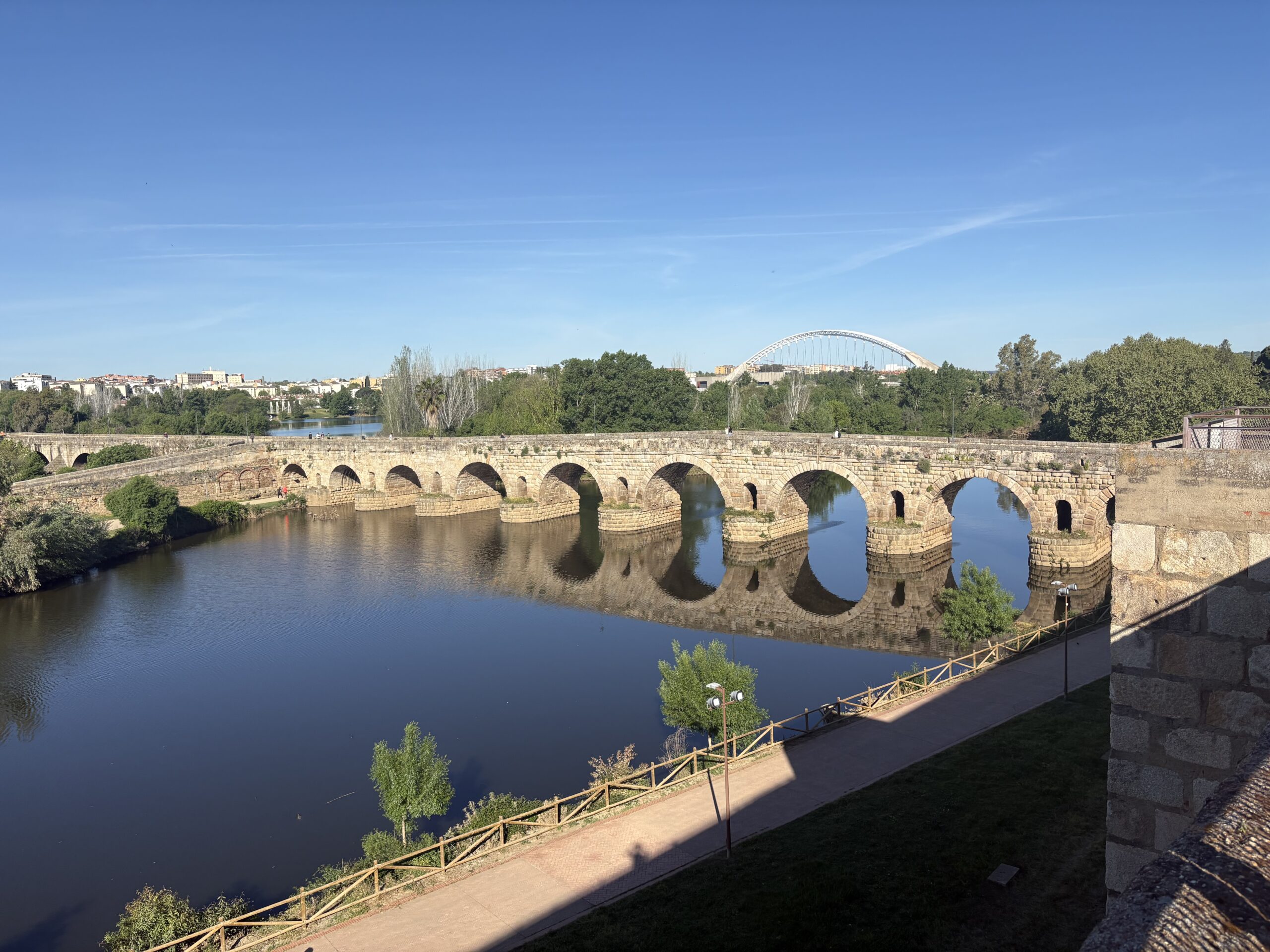
Leaving Mérida, the trail headed north-west out of the city, gradually exchanging urban streets for open countryside. After about 6 km, I reached the peaceful Embalse de Proserpina, a vast Roman reservoir still in use today. Its broad expanse of water offers a scenic and historically significant early landmark; also, it is a popular local bathing spot in the warmer months. Although the temperature today reached 30°C, the warmest day of my spring Camino, there were no individuals swimming in the lake.
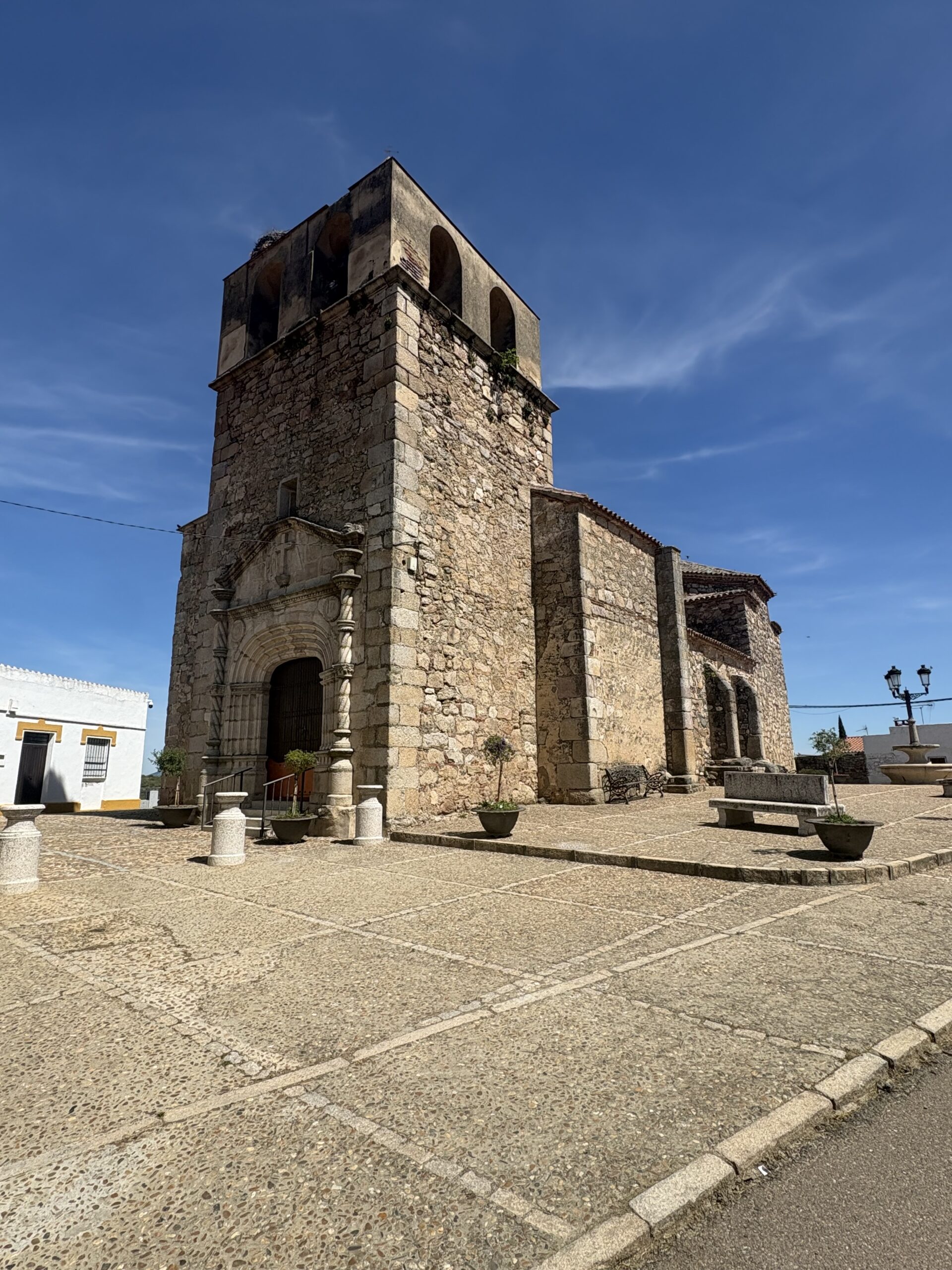
Most of this short stage was on asphalt, so I was happy to follow some dirt roads 2 km after the water reservoir. I arrived at the small village of El Carrascalejo before 15:00. The albergue operates in conjunction with a restaurant. It took me hours to figure out with whom I need to register for a bed. The restaurant was full inside and outside, so the service was also super slow. I felt that the restaurant prioritised serving the locals first, while we pilgrims were treated as merely a necessary part of their business. Anyhow, I am one day ahead and don’t want to walk more today.
I met again the older French man from day 2 with the quirky glasses. we stay in the same room.
Daily spending:
€8 – breakfast
€19– museum entry
€4.50 – lunch
€30 – dinner
€15 – accommodation