
I decided to write a journal blog about my 2026 spring Camino on the Via de la Plata to share my memories and maybe also give some tips for those who plan to walk this route. I will share not only the route descriptions of the daily stages with you, but also I would like to introduce the people I meet on the way (not with their real names, of course) and share their stories, or at least the part that can be shared with respect to their privacy.
This is one of the longest and one of the less popular routes. Surely, the
French way is the most known and most equipped, and the Portuguese route is the second most popular choice with its mid-range distance easily traversable during a summer vacation and with the relatively mild climate even in the hot summer months. The Camino del Norte is also more popular than the Vía de la Plata because of its mountainous, somewhat challenging trails that stretch along the picturesque Bayonne coast.
In contrast, the Vía is hot and dry, shade is scarce, and due to the long stages, it’s barely walkable in the summertime. In 2025, over 8,800 pilgrims arrived in Santiago who walked this route. Most pilgrims walk this from March to May or in October. In the summer the heat can be dangerous for walking.
This is a not-too-densely populated area of Spain with only a few major cities, like Mérida, Cásares, Salamanca, and Zamora (Ourense). It goes through three regions: Andalusia, Extremadura and Castilla y León.
The Vía de la Plata starts in Sevilla, Andalusia, and the ending has two main variants: the main route is 701 km and mouths the Camino Francés in Astorga, 265 km before Santiago de Compostela. The other route, called Camino Sanabrés, detaches in Granja after 606 km and goes directly to Santiago. This latter variant is called the Camino Sanabrés.
I chose this route because I had already walked on the other routes, and spring is a perfect time to walk the Vía. I have two weeks, which will be enough to walk over 400 km.
What makes Andalusia special is that many different cultures left visible marks there over thousands of years: Romans built cities, roads, and bridges; then the Moorish civilisation ruled for nearly 800 years. Later, Christian kingdoms reshaped the cities after the Reconquista. Andalusia also had Jewish, Romani, and Mediterranean influences, which all became part of local life.
Extramadura is the birthplace of the most famous conquistadors, including Hernán Cortés (who led the expedition that toppled the Aztec Empire) and Francisco Pizarro (who conquered the Inca Empire). Both came from relatively poor towns in Extremadura, which is fascinating because this quiet, rural region ended up influencing entire continents. But here’s the twist: despite all that historical impact, Extremadura itself remained economically underdeveloped for centuries. It’s one of the best places in Europe for nature. The Monfragüe National Park is a paradise for birdwatchers, especially if you want to see rare species.
After Aldenueva del Camino – which is my planned terminal point of my spring hiking trip – the route enters Castilla y León.
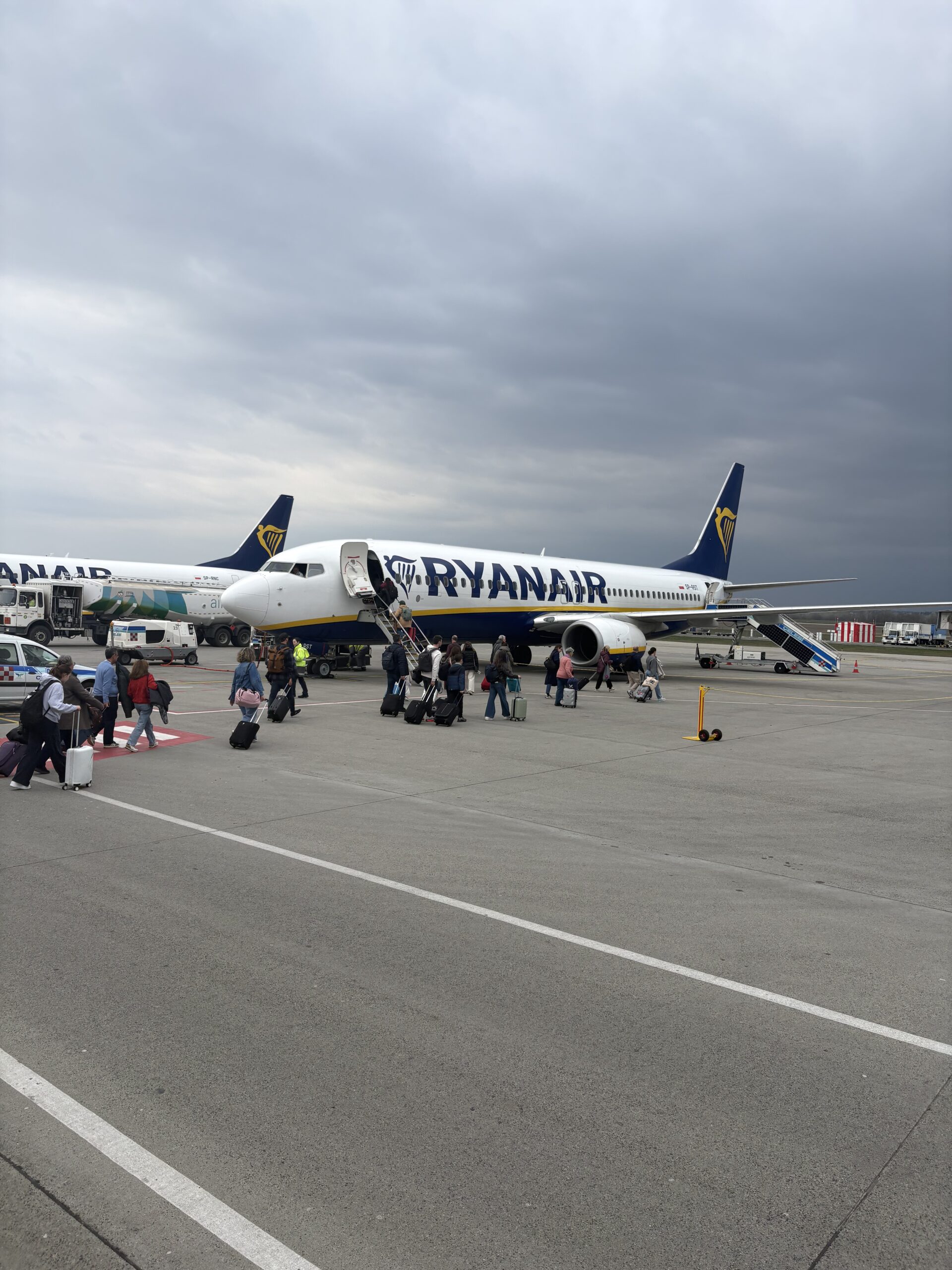
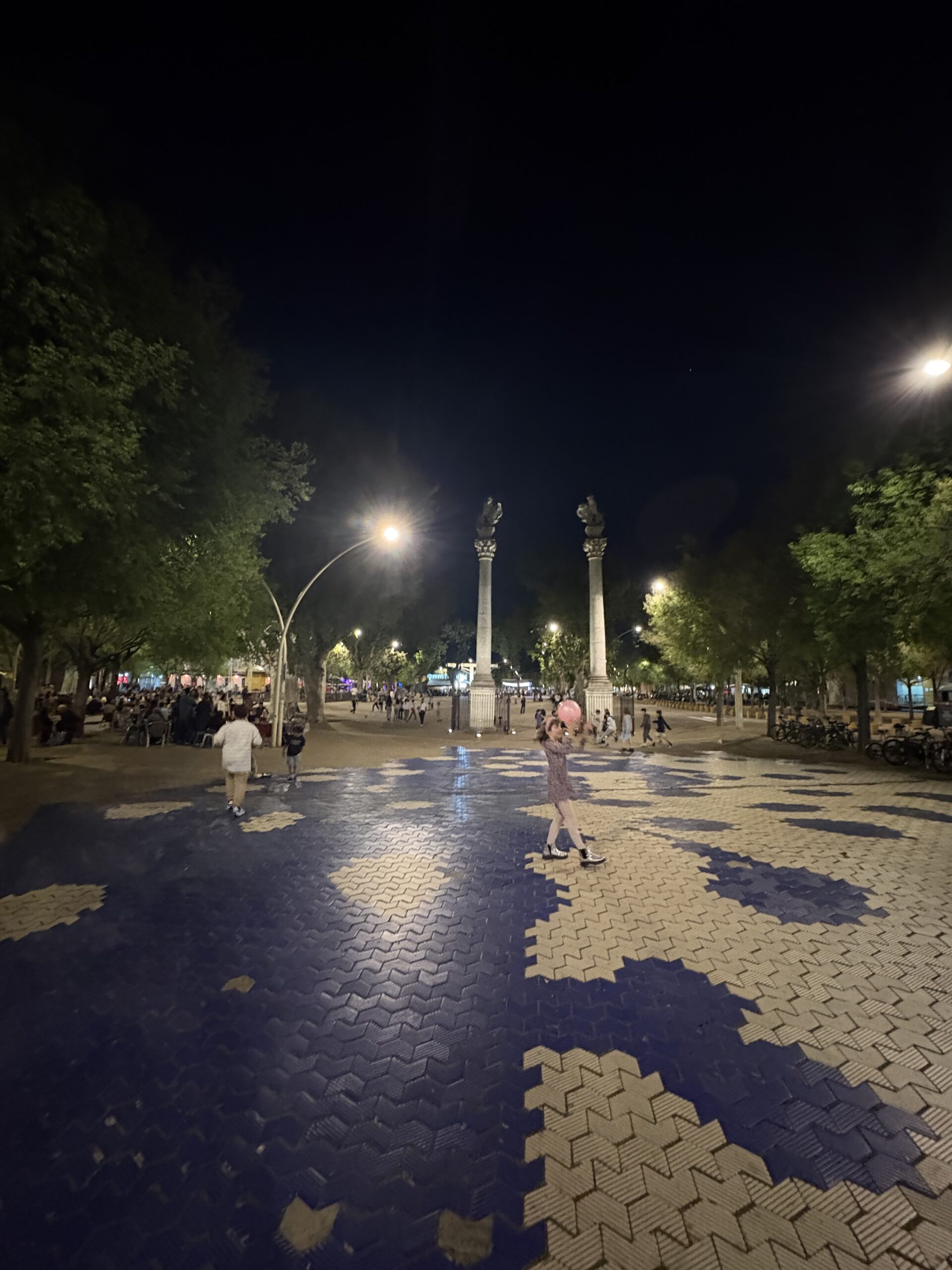
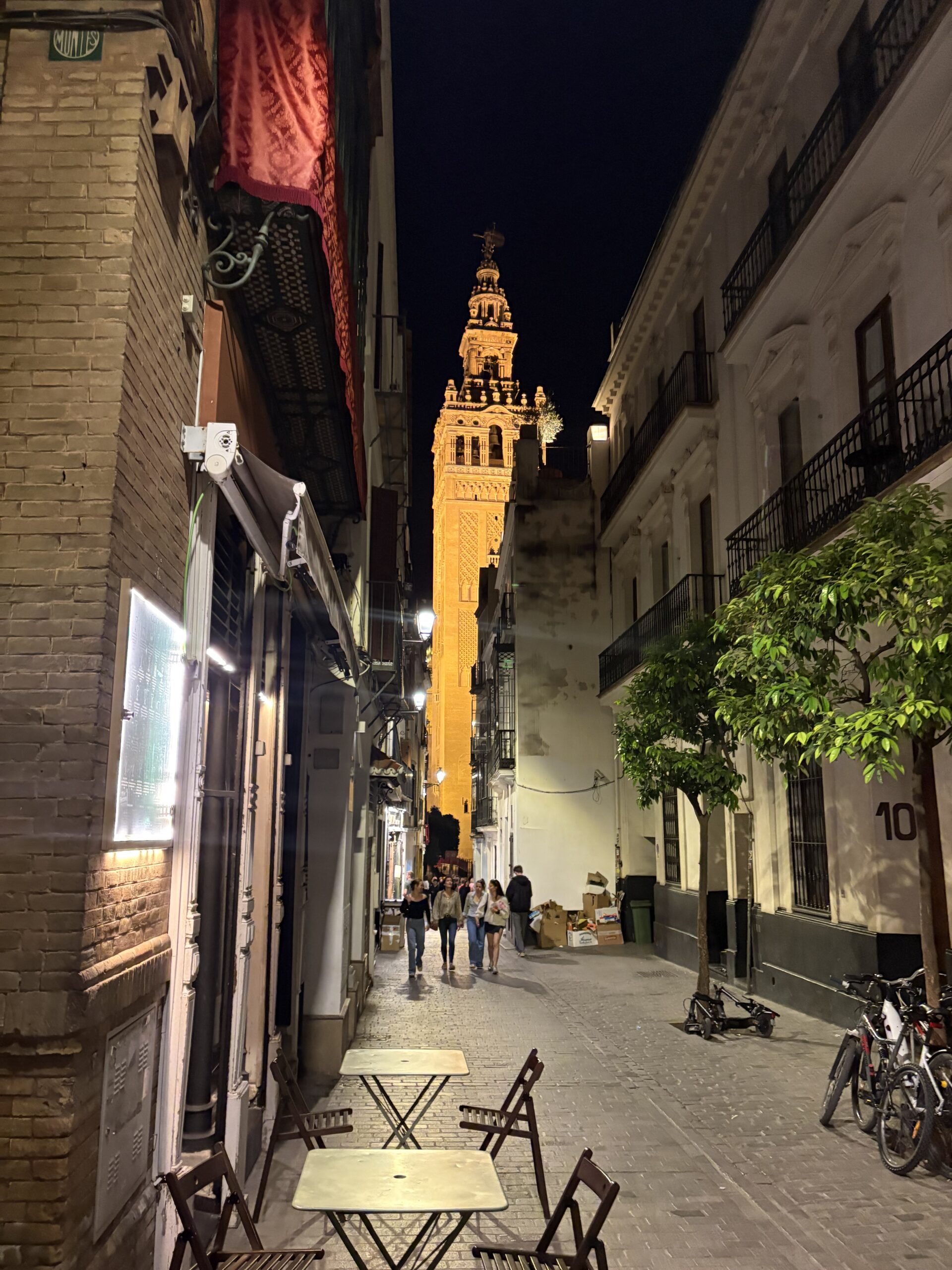
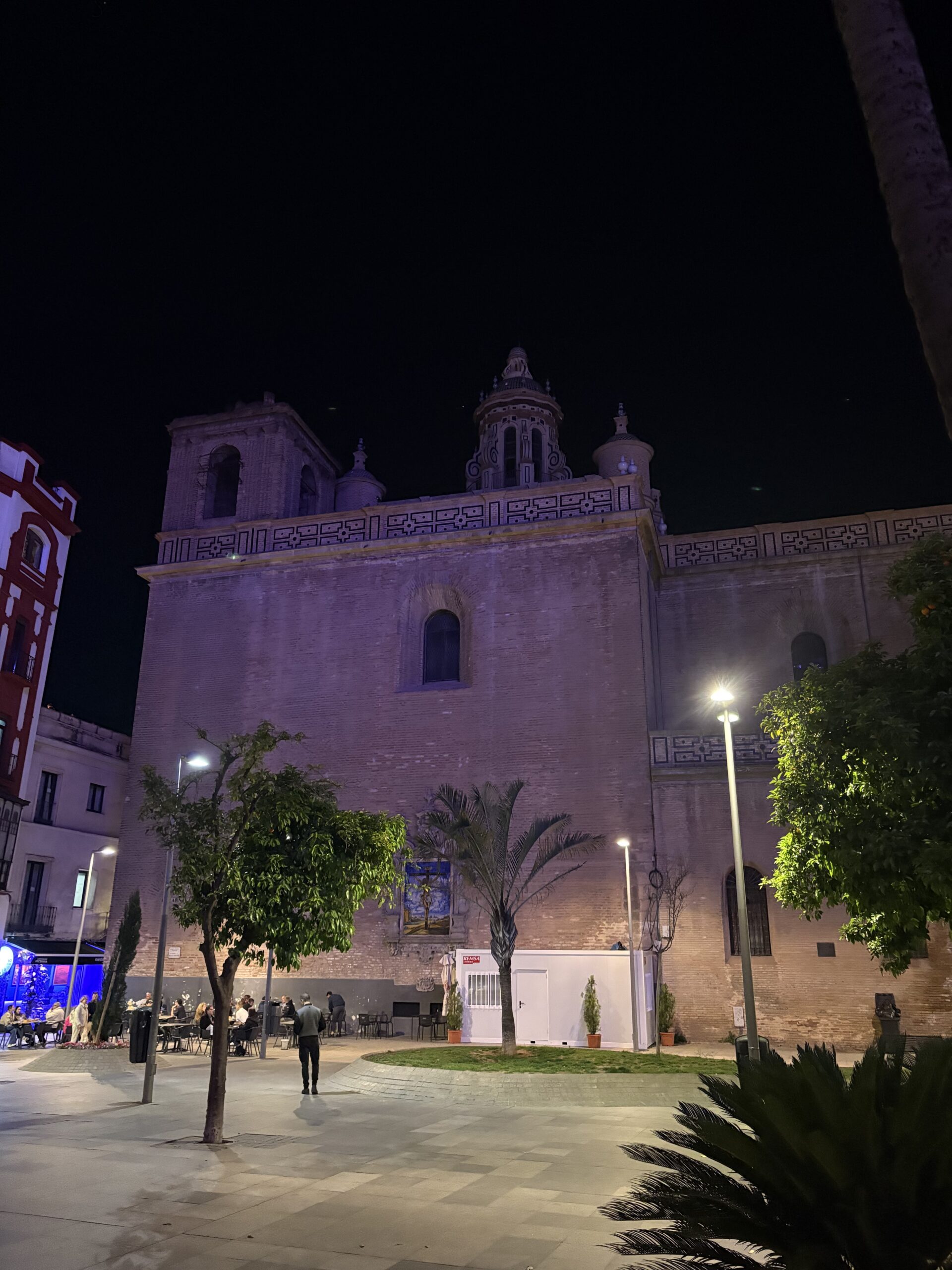
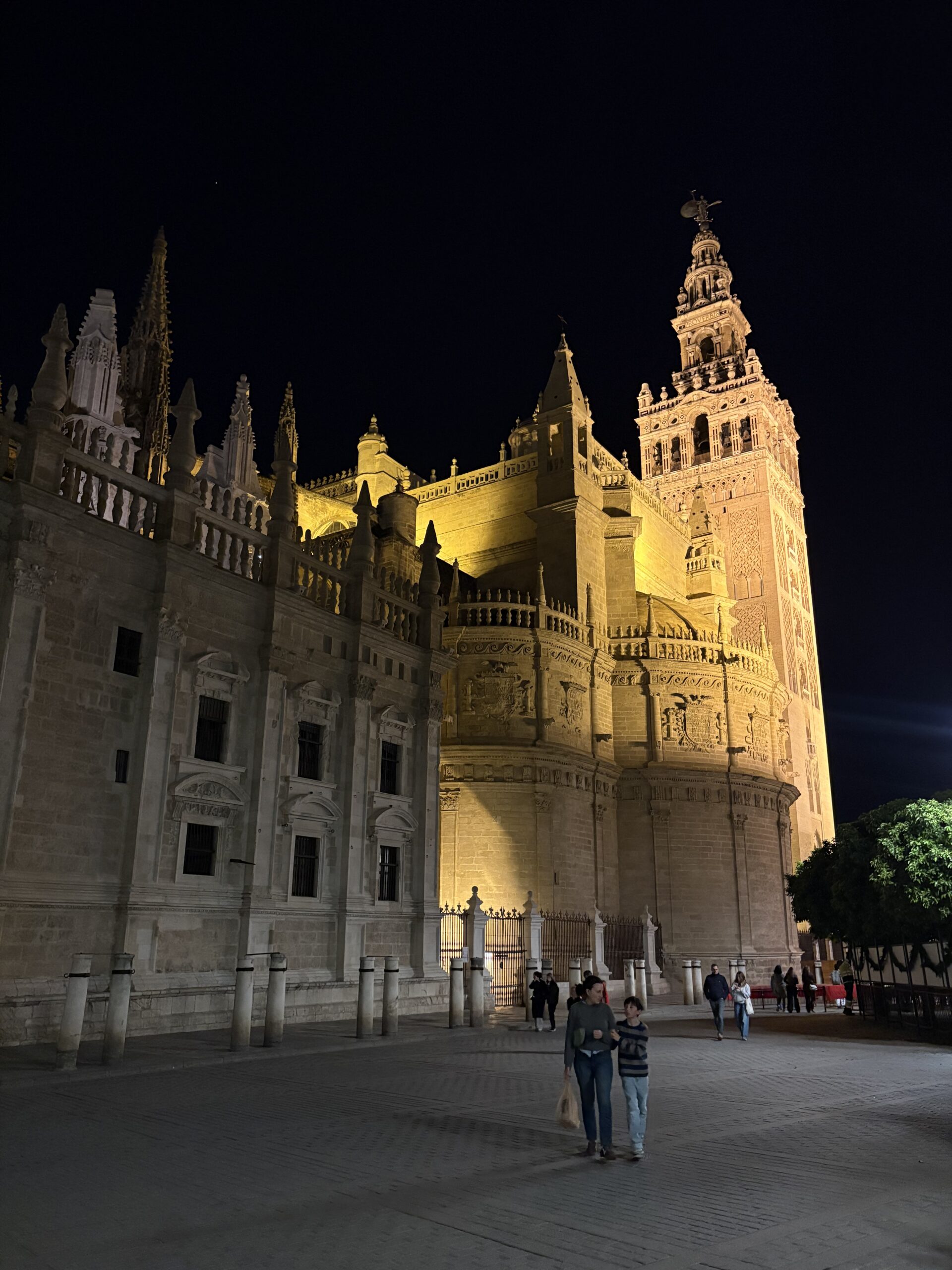
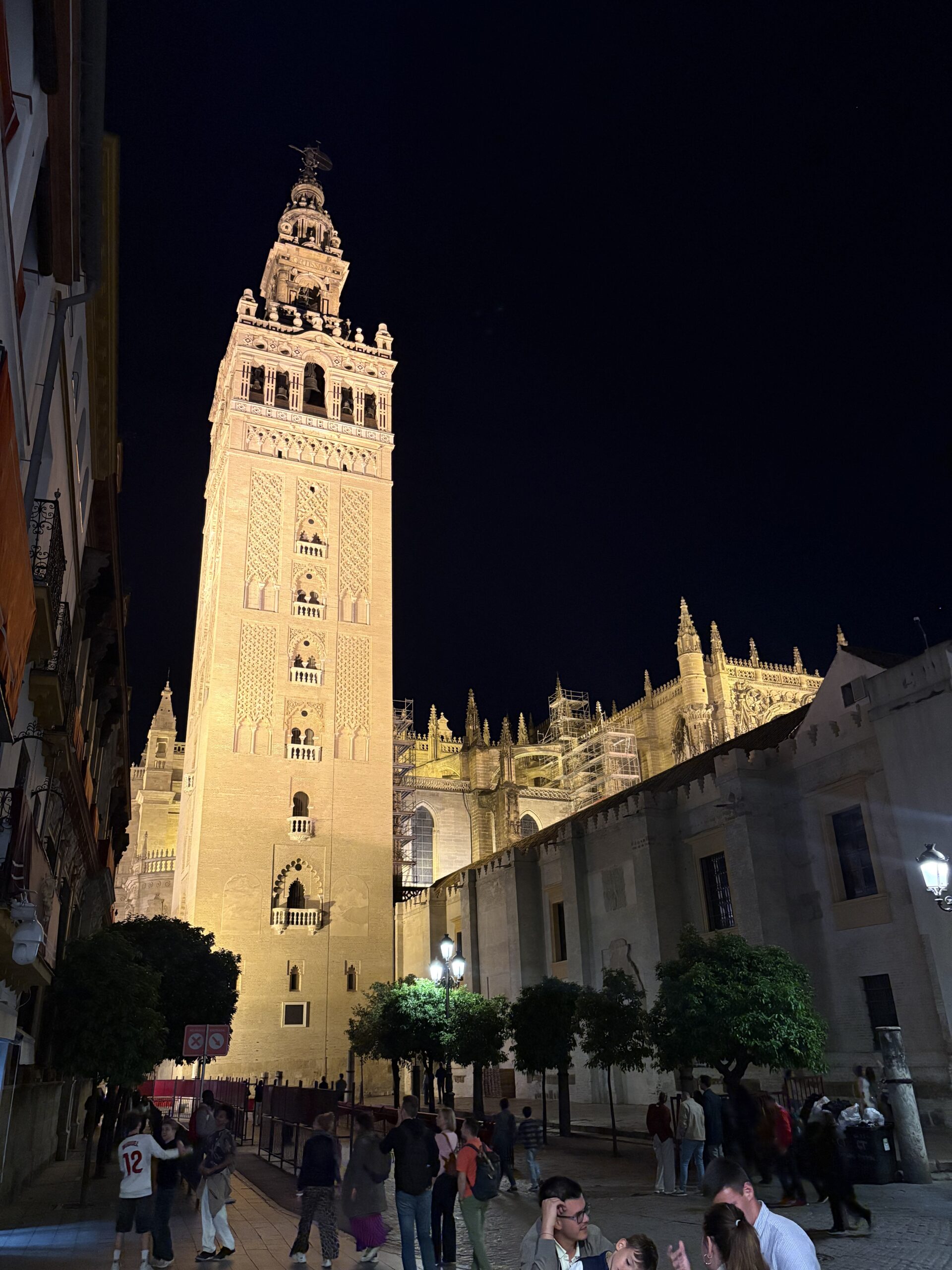
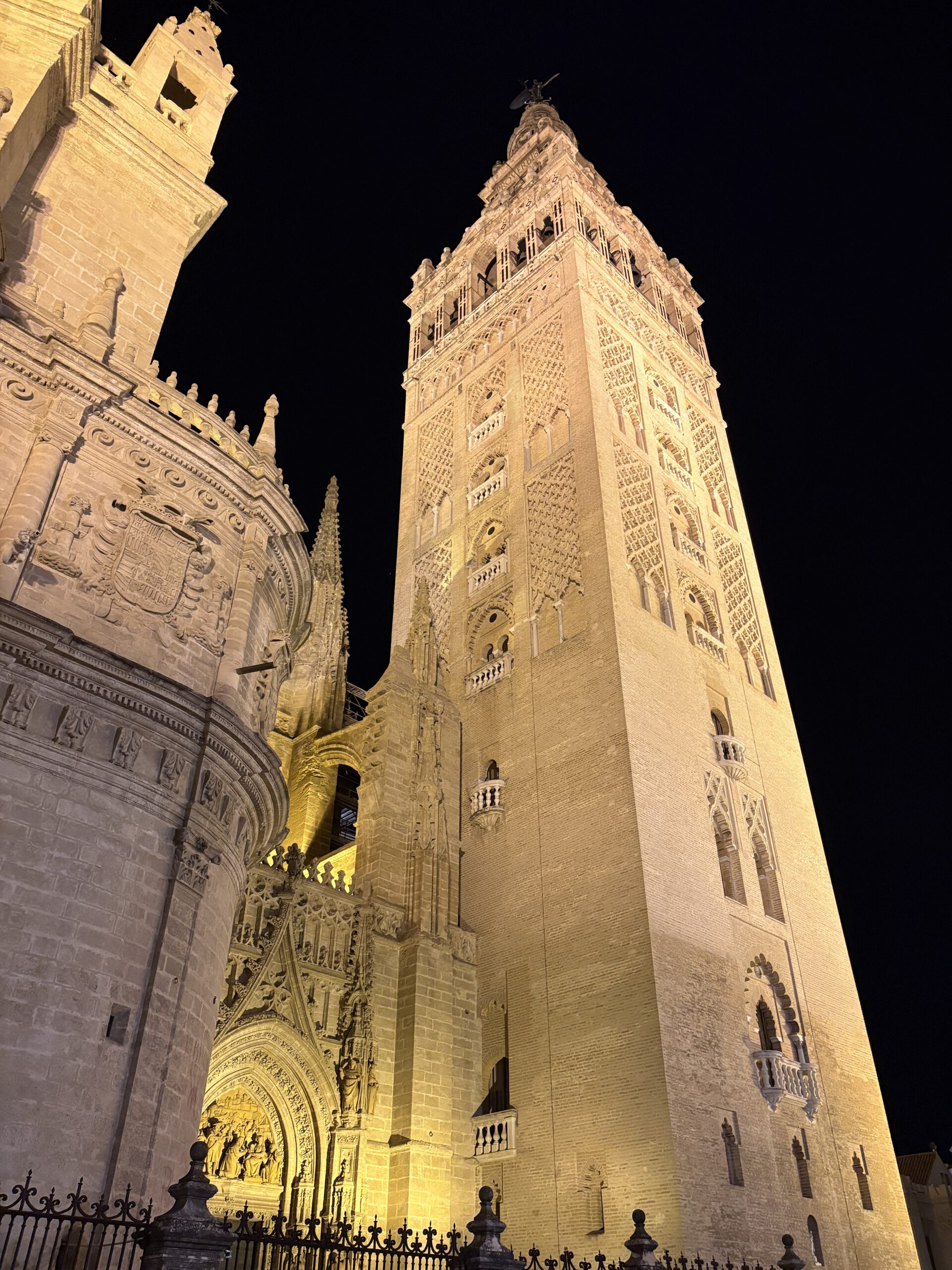
I had a direct flight to Sevilla. I arrived on Saturday at 19:00, a quarter hour earlier than scheduled. Contrary to my departure city, Seville had really splendid weather: the city was bathing in the golden sunset, the sky was clear, and the weather was warm, at 23°C.
From the airport I headed directly to my hostel (Roberta’s Guest House), where I booked a private room for the first night. Public transportation is poor; the buses are late, and I passed 3 full buses that didn’t take any further passengers. From the airport, there is a shuttle coach (EA) for €6, and then I tried to change to the local bus (2) for 10 stops. If the local bus is crowded, you are not allowed to board (solo bajada – disculpen). Finally, just as I was about to call a taxi, a bus arrived that allowed us to board.
The hostel is lovely and clean, equipped with a community room (kitchen). I had to make a video call with the owner to enter in the building, but she explained everything nicely. Based on her accent, she is from Ukraine, Russia or Belorussia.
I usually spend the first night on my Camino trips not in a pilgrim shelter but in a hostel or hotel – maybe because I don’t feel yet like a pilgrim wearing clean clothes – and this stay is also my goodbye to luxury for a couple of weeks.
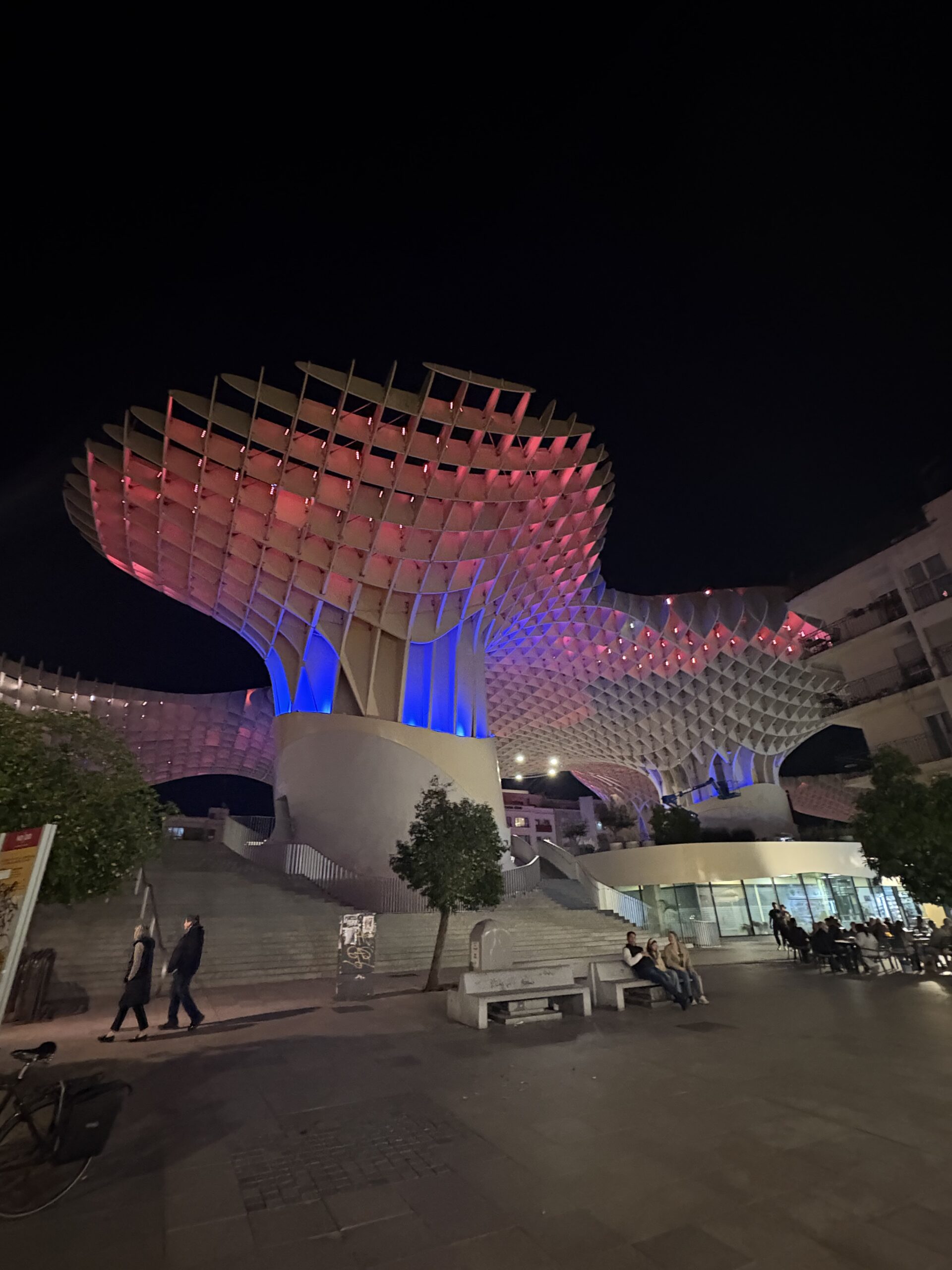
After dropping off my backpack at the hotel, I needed to charge my phone for a few minutes before heading out to find some dinner. I went for a brief walk in the city centre to see the city at night.
I had a rich dinner at a nearby tapas restaurant and walked around the city center for a while. At 23:30 I was back to the hotel. Since I arrived late, I will spend the morning with daylight sightseeing and only start walking after midday.